

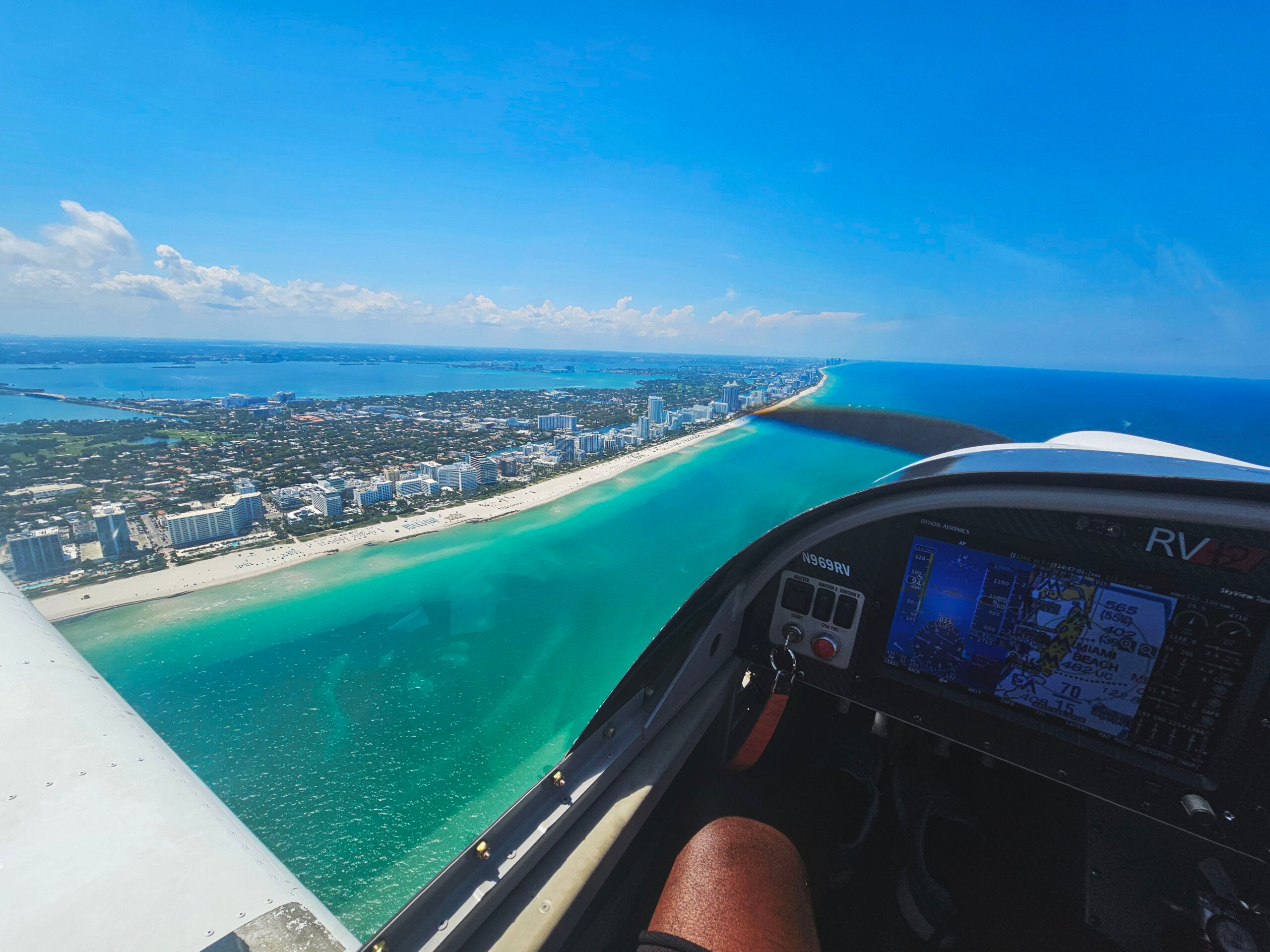
The Fastest Path to the Sky
A Sport Pilot Certificate lets you fly FAA-approved light-sport aircraft for personal flying with a lower minimum hour requirement than a Private Pilot License. It’s the right fit if you want to get in the air efficiently, keep training costs controlled, and build real confidence flying in South Florida’s complex airspace.
Estimated total cost is based on FAA minimums and student proficiency. Pricing includes fuel and tax but does not include FAA exam or equipment costs.
What a Sport Pilot License Unlocks
Weekend Escapes
Skip traffic, terminals, and rigid schedules. Fly yourself to nearby destinations on your own timeline, turning regional airports into effortless gateways for short trips and spontaneous escapes.
Scenic Freedom
Cruise coastlines, waterways, and open landscapes from a low-altitude vantage point designed for immersion. Light-sport aircraft offer a flying experience that feels connected, visible, and remarkably personal.
Everyday Adventure
Transform routine days into something memorable with short local flights and spontaneous departures. Sport pilots fly for the experience itself, making aviation a regular part of life instead of a rare event.

Sport Pilot vs Private Pilot
Choosing the Right Path to the Cockpit
The Sport Pilot path is built for pilots who value speed, simplicity, and real-world flying over extended certification timelines. It removes unnecessary friction while still delivering true pilot-in-command experience.
- Designed for efficient entry into aviation, not long certification pipelines
- Focuses on hands-on flying sooner, with less time spent waiting to solo
- Eliminates medical barriers that stop many pilots before they start
- Optimized for recreational freedom, not airline or commercial progression
- Ideal for pilots who want flying to fit into life, not replace it
For many students, Sport Pilot is not a compromise. It is a more intentional choice.
Who Can Become a Sport Pilot
The Sport Pilot certificate has fewer entry requirements than a Private Pilot license, making it one of the most accessible ways to become a licensed pilot.
To qualify for Sport Pilot training, you must:
- Be at least 17 years old to earn the certificate
- Be able to read, speak, write, and understand English
- Hold a valid U.S. driver’s license
Medical requirement difference:
- A Sport Pilot does not need an FAA medical certificate
At Dynasty Aviation, eligibility is reviewed early in the process so students training near Miami and Fort Lauderdale can start with confidence and clear expectations.

The Dynasty Training Advantage
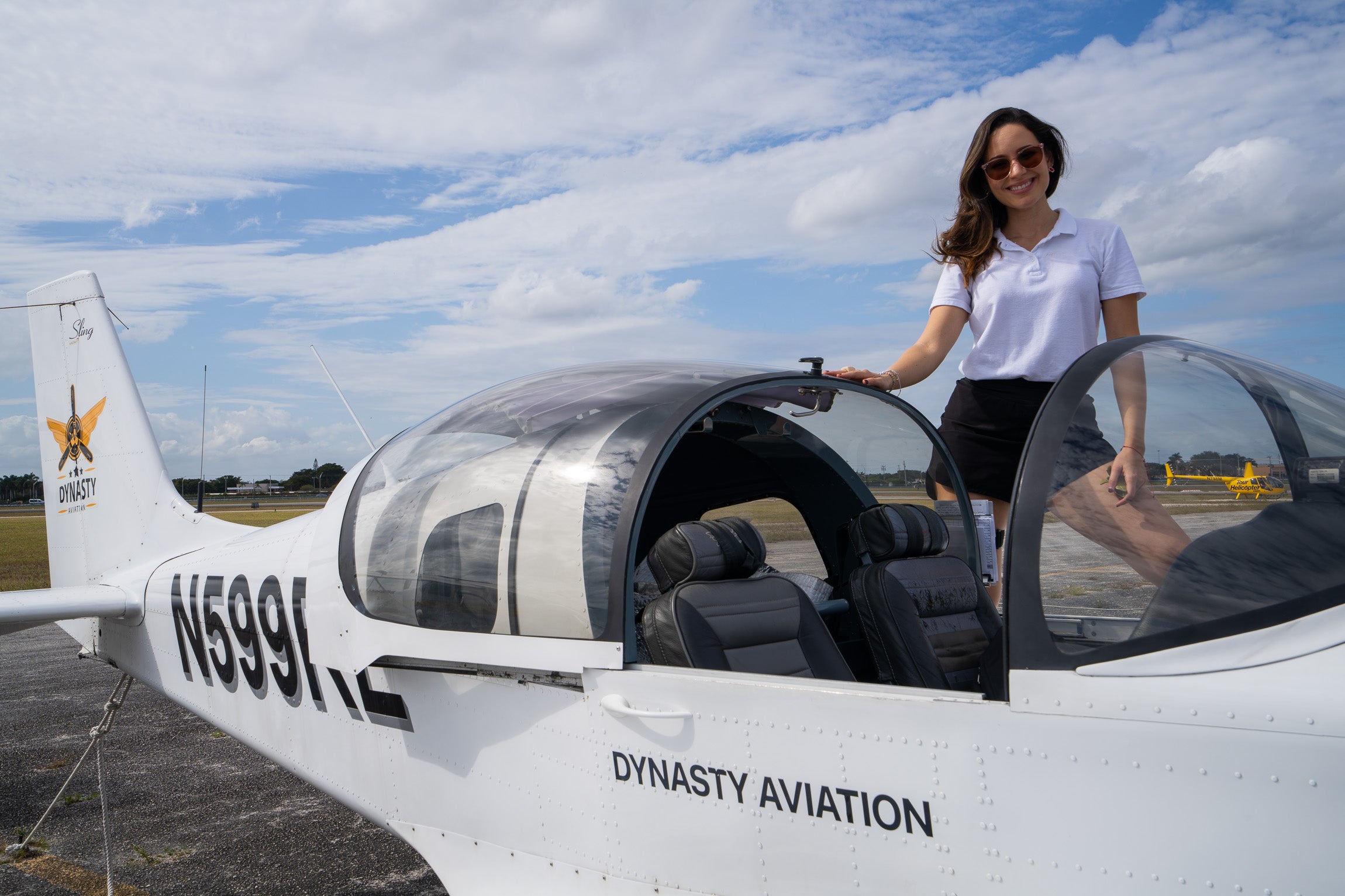
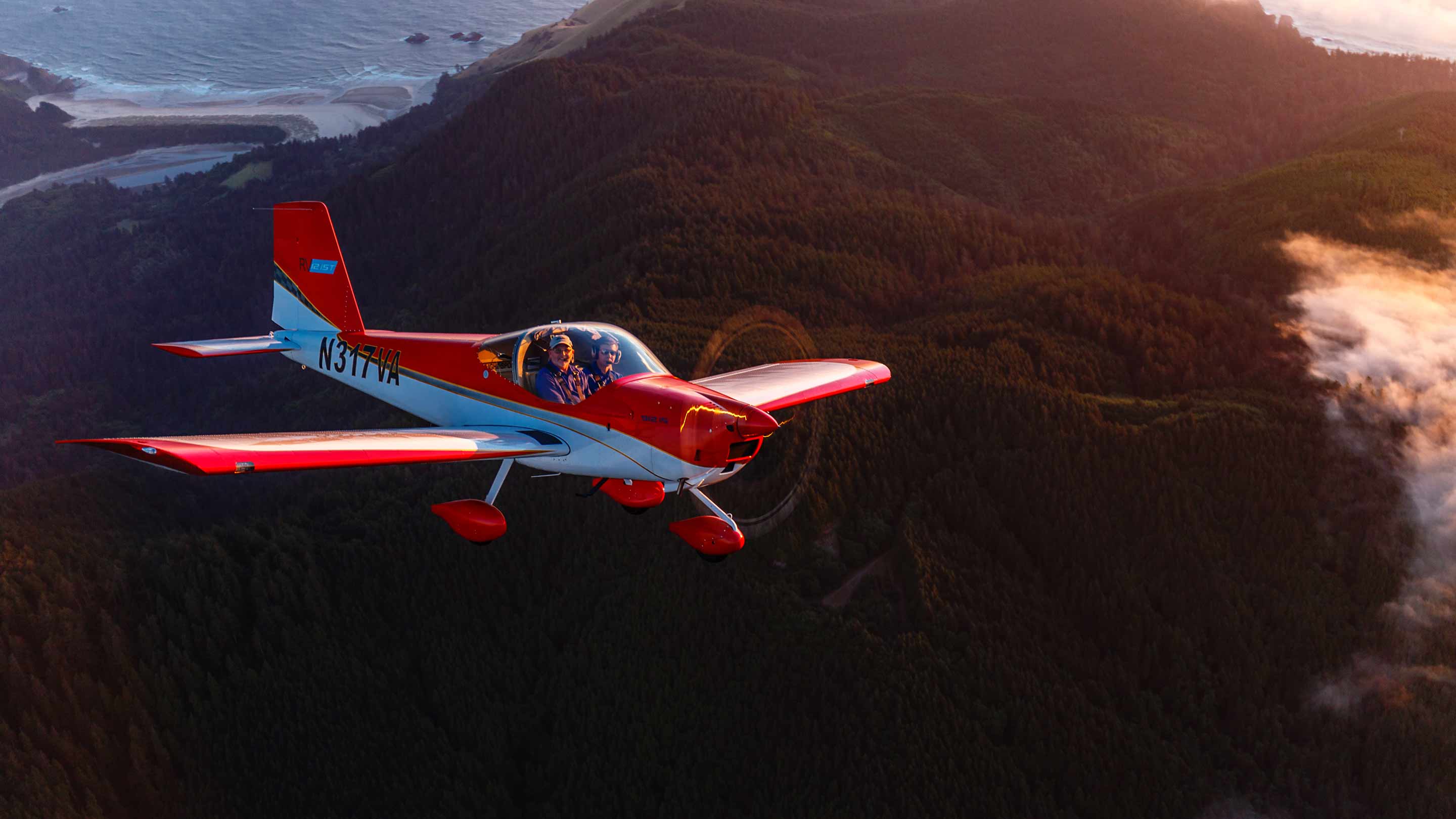
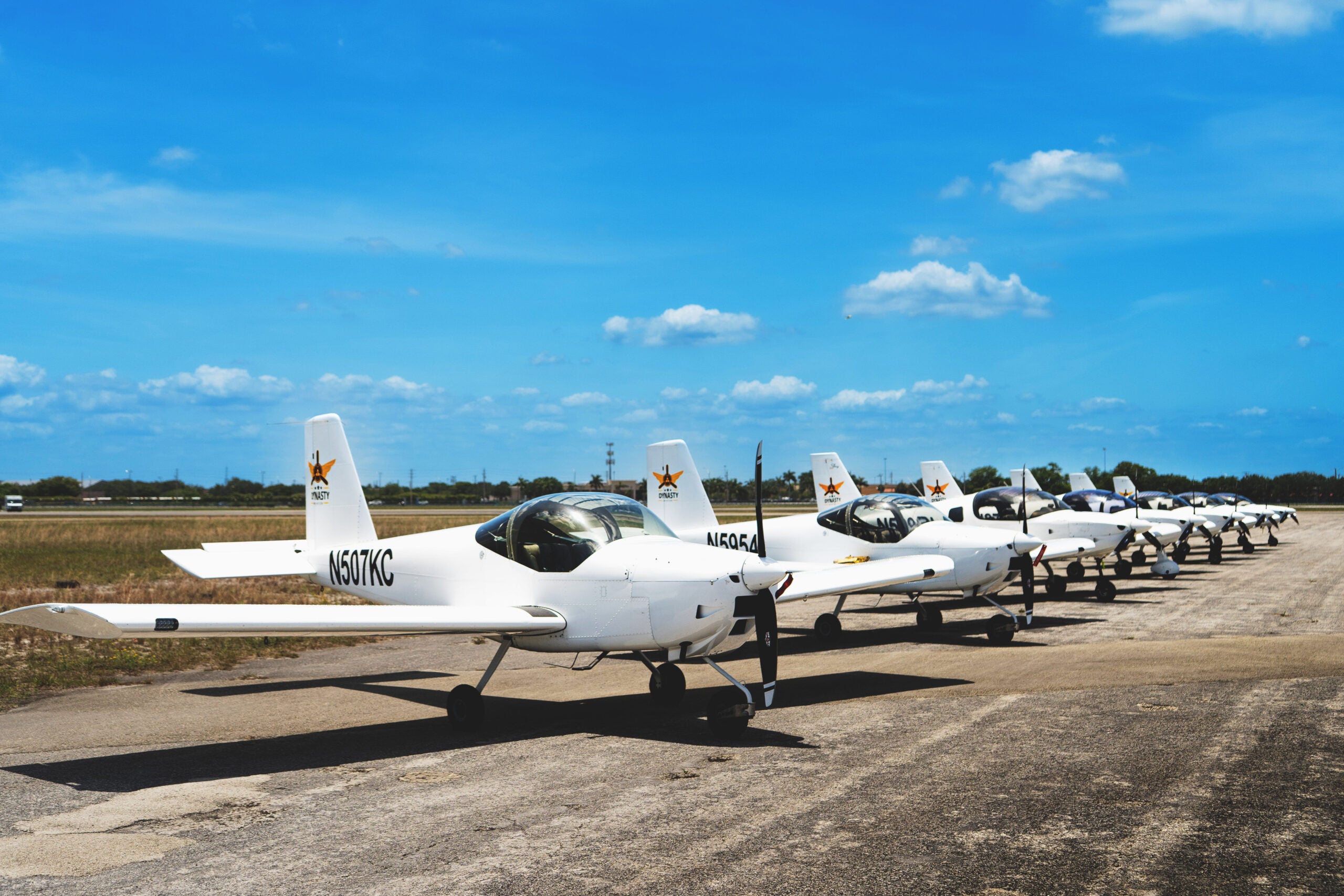
Train for your Sport Pilot Certificate in modern, all-glass aircraft, including the Sling and RV-12 iS, purpose-built for efficiency, visibility, and confidence in the cockpit. All training is conducted from North Perry Airport (KHWO), where active South Florida airspace accelerates communication skills and real-world decision-making from your very first lesson.
Instruction is led by career flight instructors focused on structured progression and measurable skill development, helping Sport Pilot students build true proficiency.
Sport Pilot Program FAQ
What is a Sport Pilot license?
A Sport Pilot license allows you to act as pilot in command of FAA-approved Light-Sport Aircraft for personal and recreational flying. It is the most streamlined path to becoming a licensed pilot and requires fewer flight hours and no FAA medical certificate.
How long does it take to earn a Sport Pilot license?
Most students complete Sport Pilot training in a few months, depending on training frequency, weather, and personal schedule. South Florida’s year-round flying conditions allow students at Dynasty Aviation to train consistently and progress efficiently.
How many flight hours are required for a Sport Pilot certificate?
The FAA requires a minimum of 20 flight hours, including dual instruction and solo flight time. Many students finish close to the minimum when training consistently, though total hours vary by individual proficiency.
Do I need an FAA medical certificate to become a Sport Pilot?
No. Sport Pilots may fly using a valid U.S. driver’s license in place of an FAA medical certificate, provided they have not been denied or had a medical revoked. This is one of the biggest advantages of the Sport Pilot path.
What aircraft will I fly during Sport Pilot training?
Sport Pilot students train in modern, all-glass Light-Sport Aircraft, including Sling aircraft and the Van’s RV-12 iS. These aircraft are designed specifically for training, with excellent visibility, advanced avionics, and strong safety records.
What are the limitations of a Sport Pilot license?
Sport Pilots may:
- Fly Light-Sport Aircraft (LSA)
- Carry one passenger
- Fly daytime only under VFR conditions
- Fly for personal and recreational purposes
Sport Pilots may not fly at night, in instrument conditions, or for compensation or hire.
Can I upgrade from Sport Pilot to Private Pilot later?
Yes. Many pilots start as Sport Pilots and later transition to a Private Pilot license. Flight time earned as a Sport Pilot can often be credited toward Private Pilot training, depending on circumstances and FAA requirements.
Is Sport Pilot training good for flying in South Florida airspace?
Yes. Training from North Perry Airport (KHWO) places students in active, towered South Florida airspace, building strong communication, situational awareness, and confidence early. This environment prepares Sport Pilots to operate comfortably around Fort Lauderdale and Miami airspace.
Ready to start your Sport Pilot Training?
A discovery flight is the best way to confirm whether the Sport Pilot path is right for you. You will fly with a certified instructor, get hands-on time at the controls, and see exactly what training at Dynasty Aviation is like.
During your discovery flight, you will:
- Fly in a modern, all-glass training aircraft
- Experience real-world South Florida airspace firsthand
- Learn how the Sport Pilot training path works
- Ask questions and get clear next steps with no pressure


