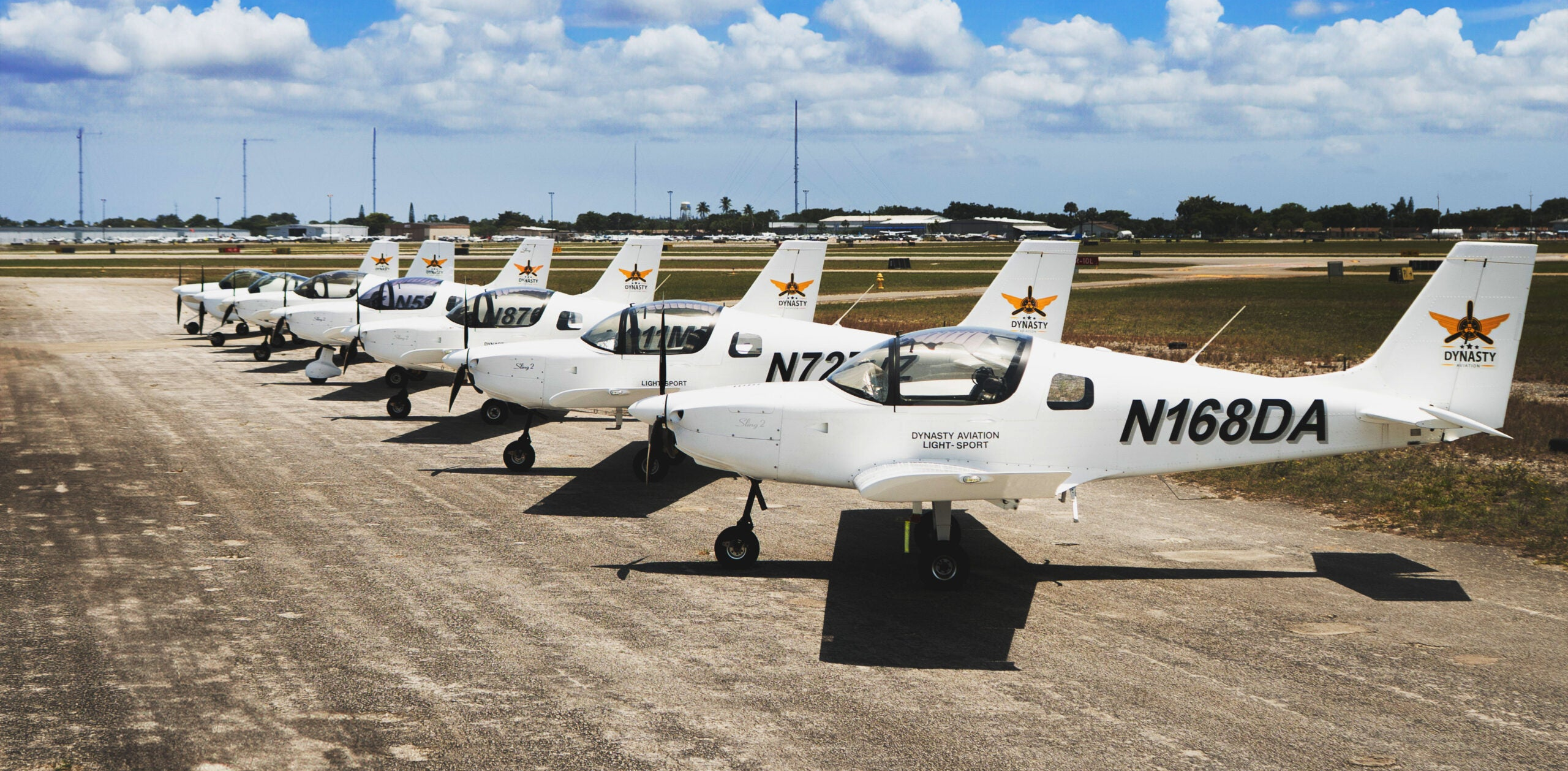
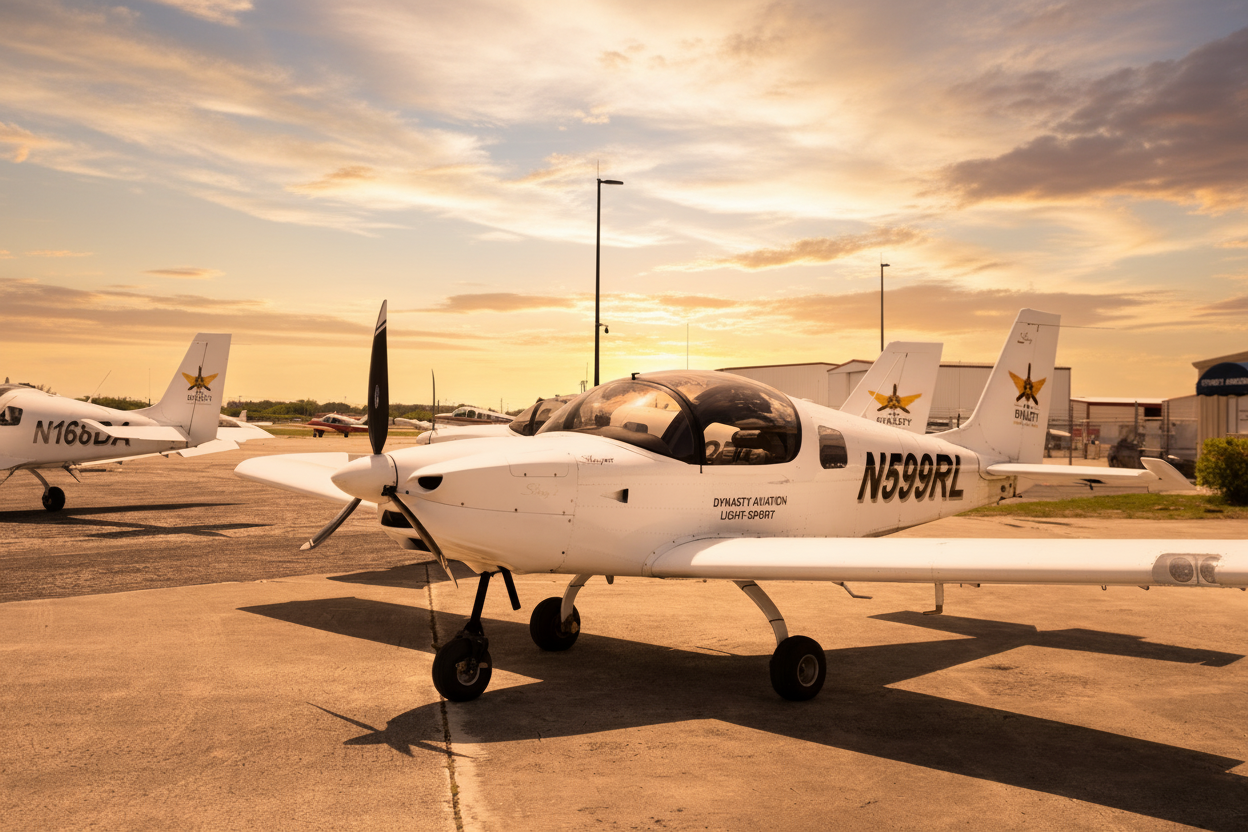
The Next Generation Has Arrived

Cleaner avionics. Better visibility. More responsive handling. Built for today’s pilots, not yesterday’s standards.

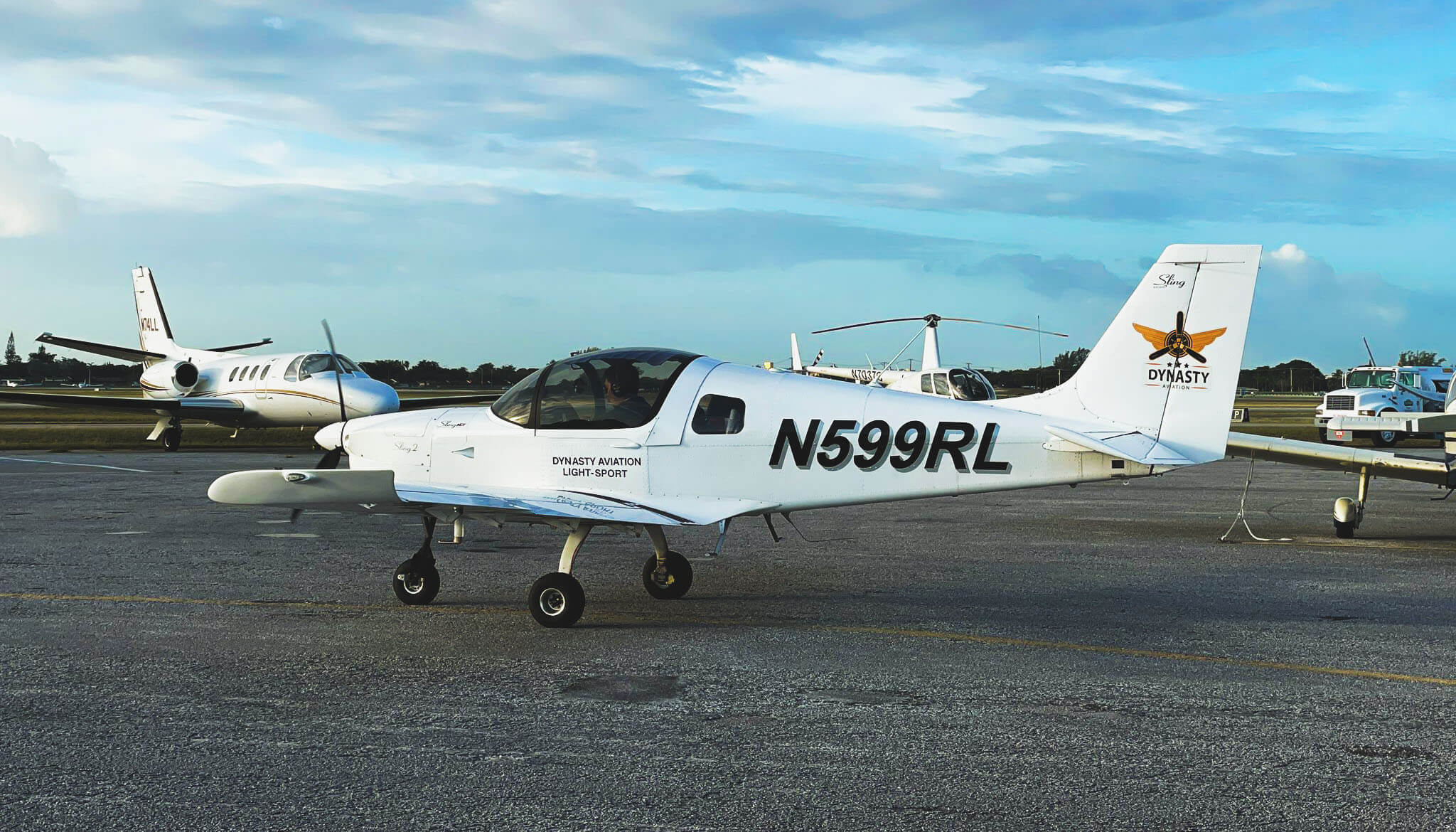
Sling 2 LSA Highlights

100 HP Rotax 912iS Engine

120 KTAS Cruise | 850 NM Range

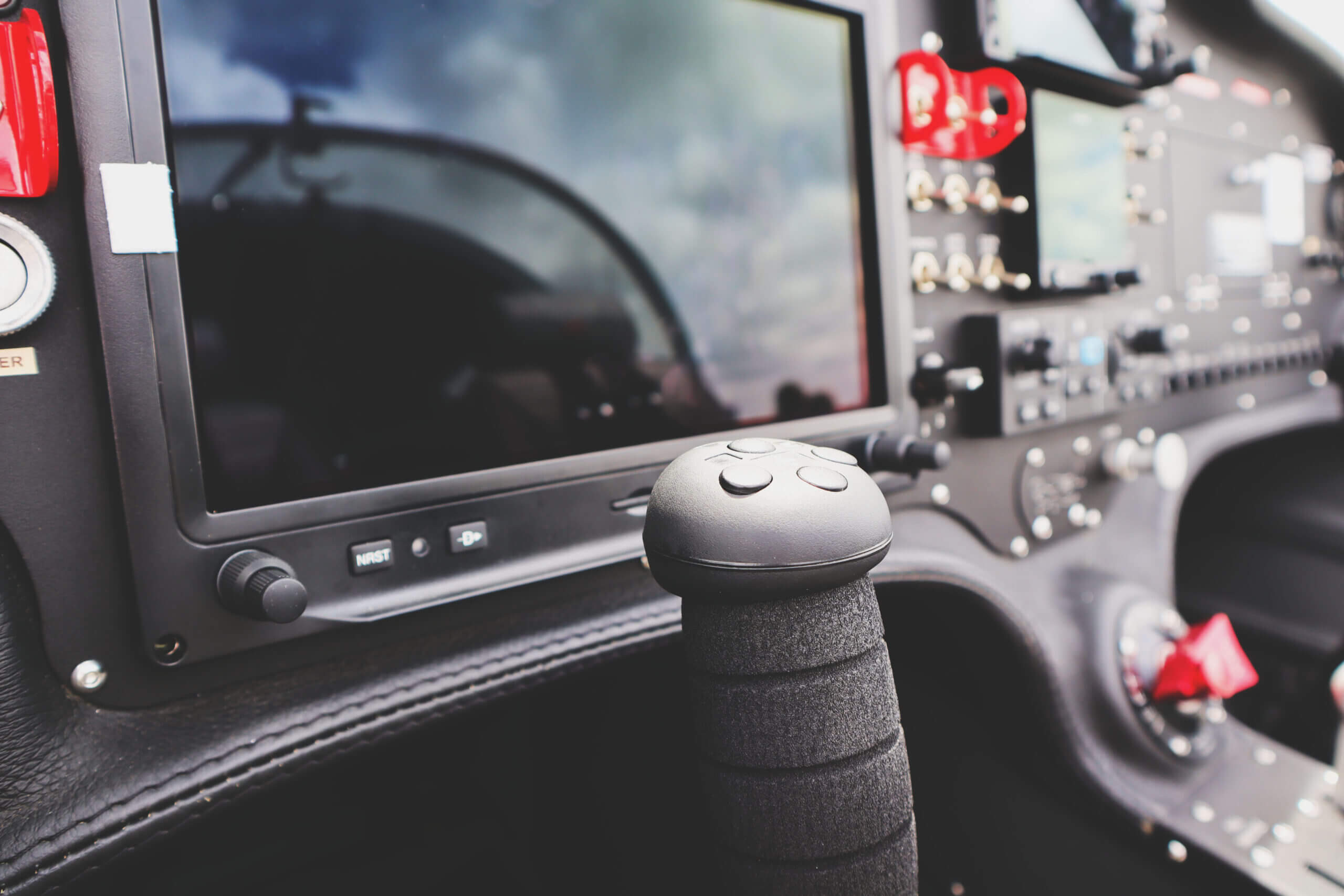
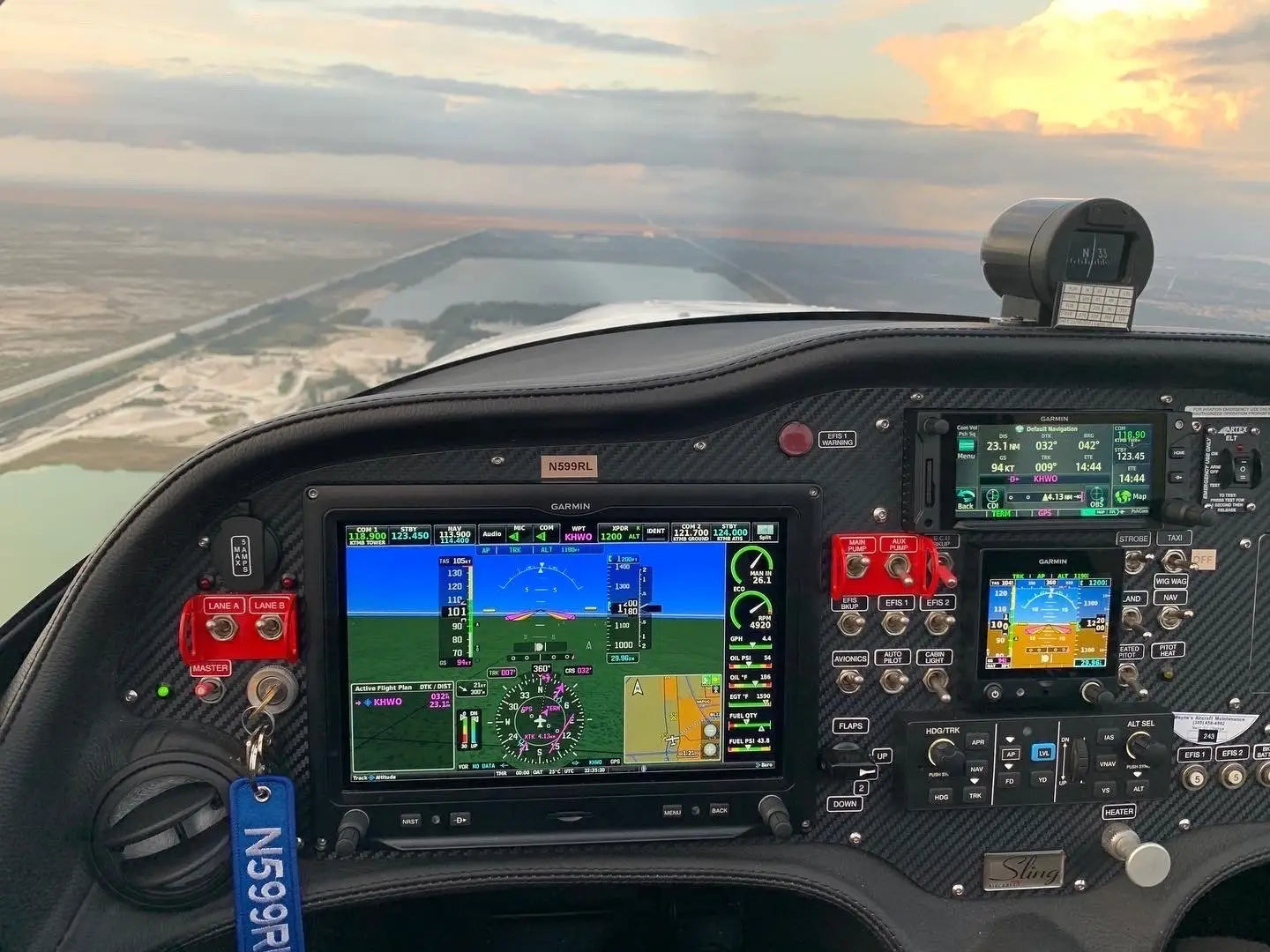
Garmin G3X | Autopilot

Modern Avionics Reduce The Learning Curve

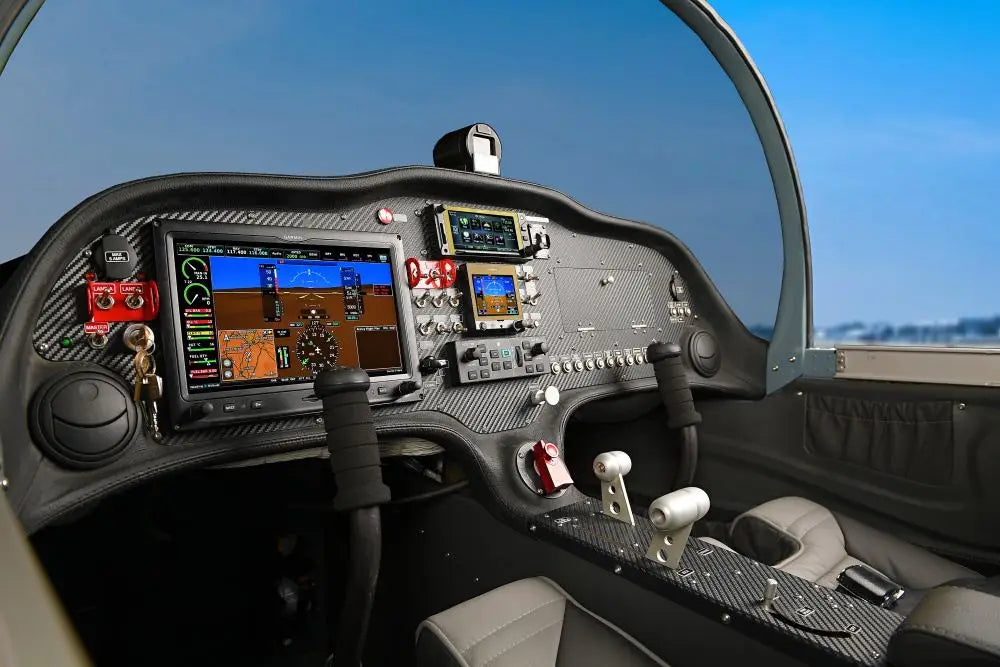
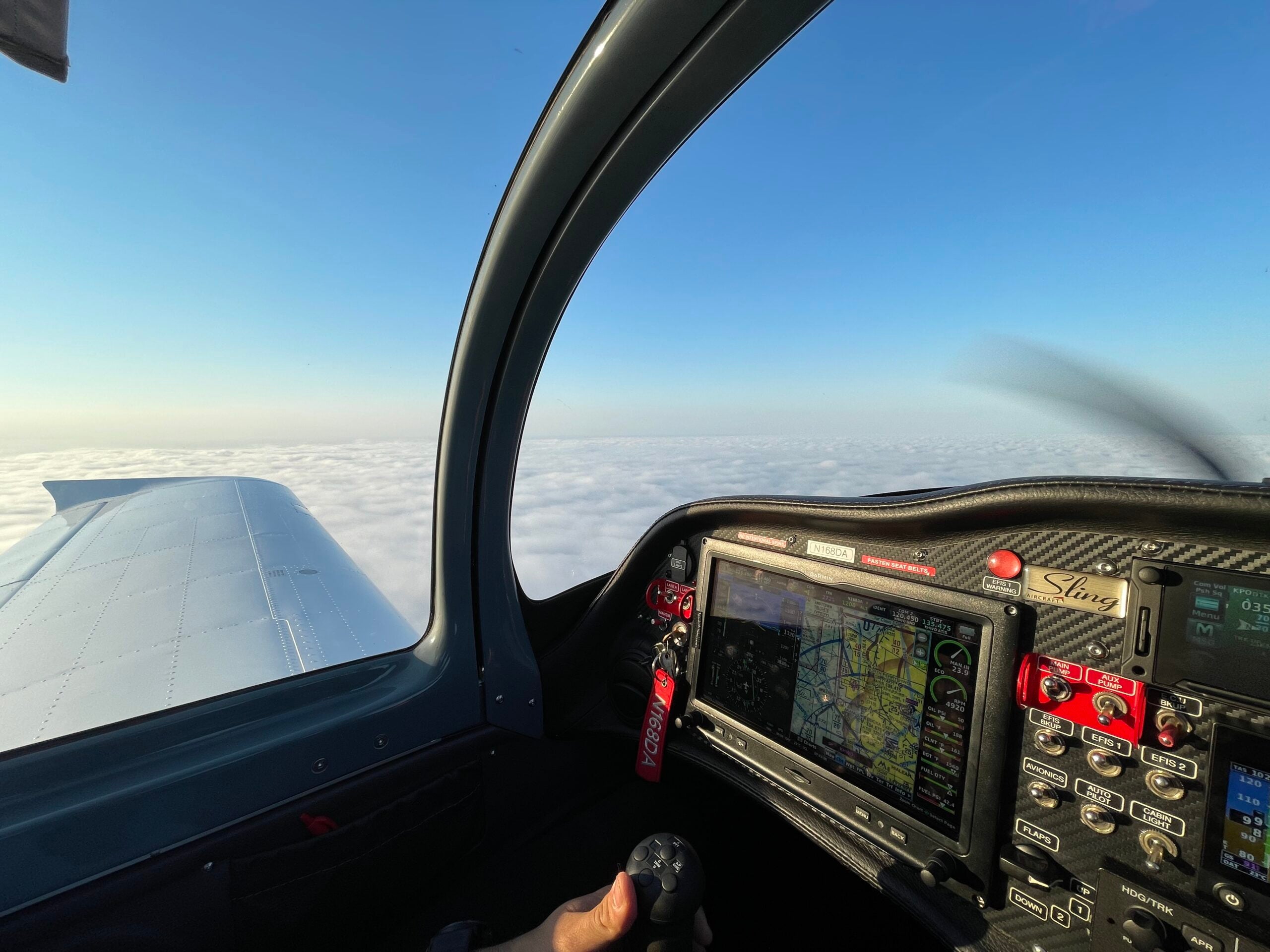
The Sling’s modern glass-cockpit avionics give students a clear, simplified view of everything that matters in flight. Navigation, engine data, traffic, and weather are presented in an intuitive layout that helps students build confidence faster and transition seamlessly into more advanced aircraft later in training.

This reduces cognitive overload early and accelerates real understanding, not just memorization.

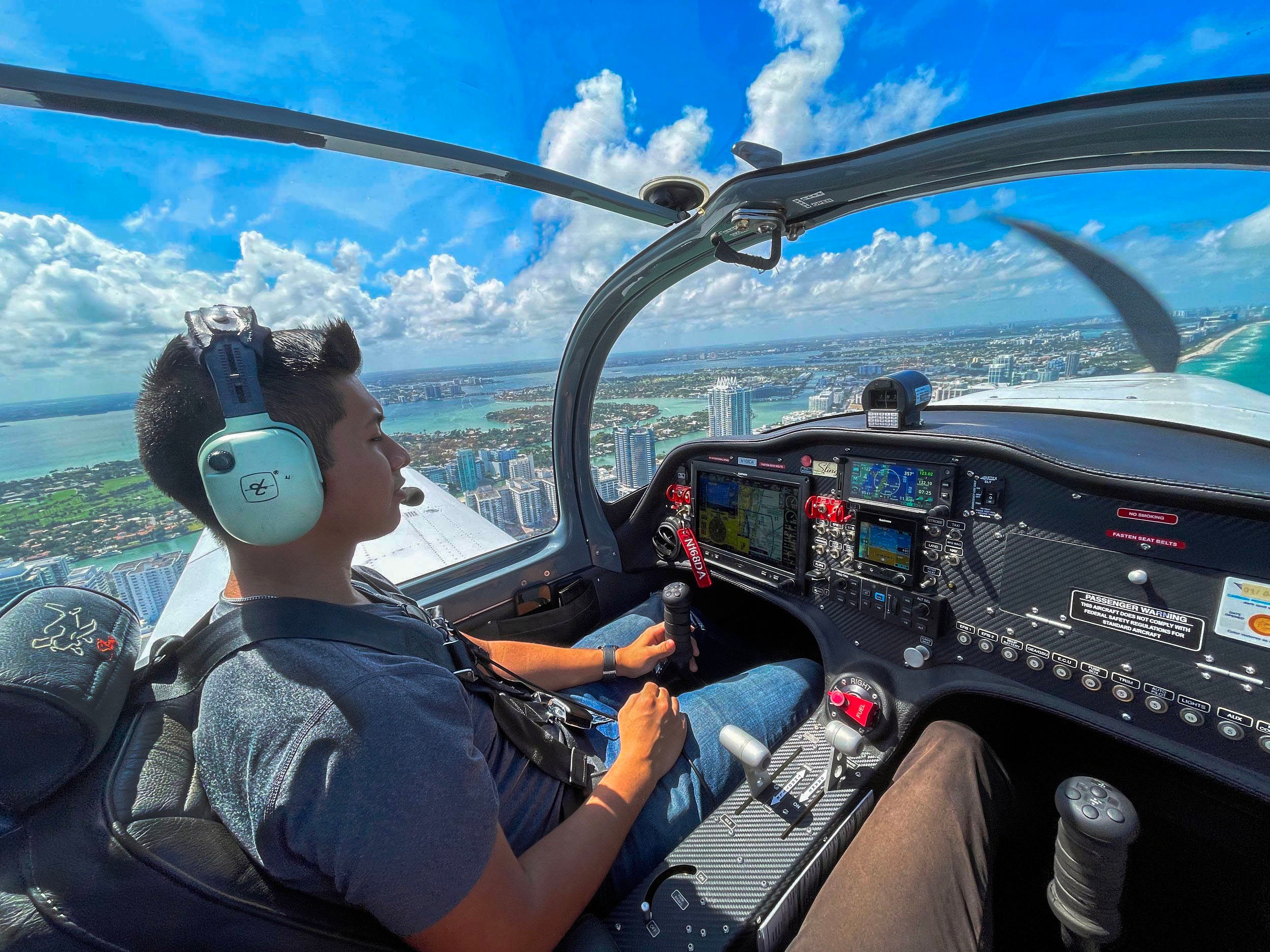
Open Cockpit for Situational Awareness

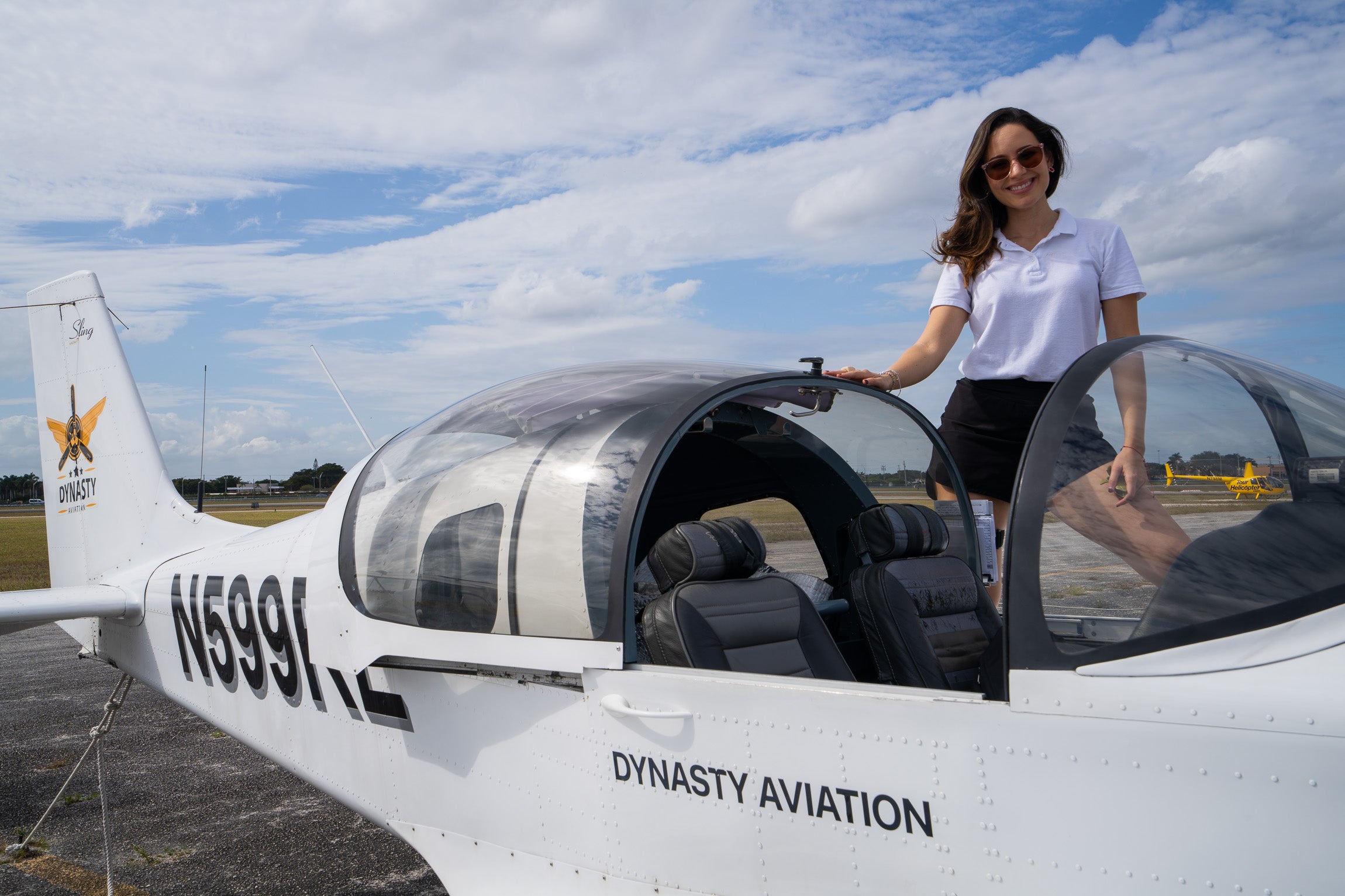
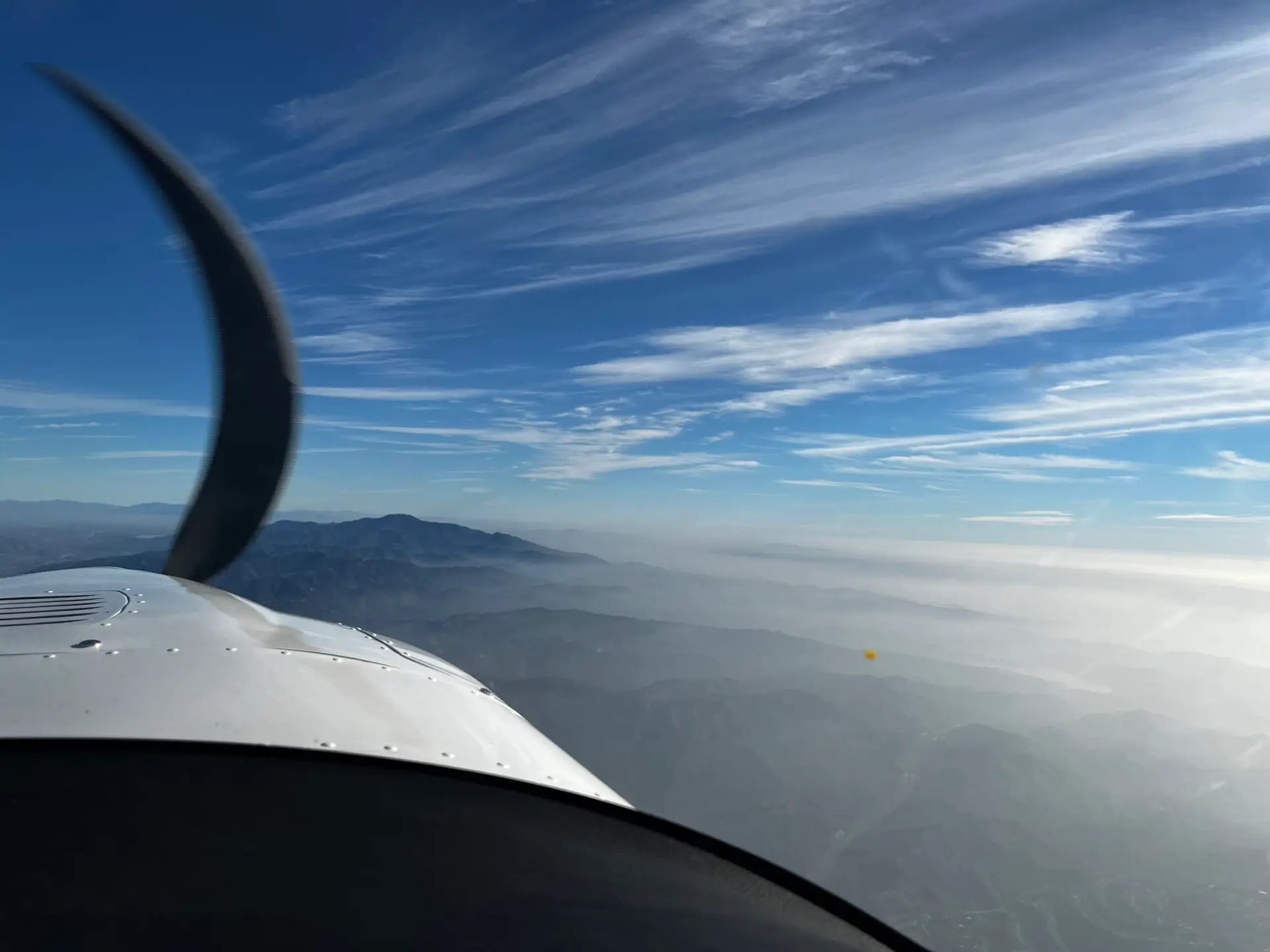
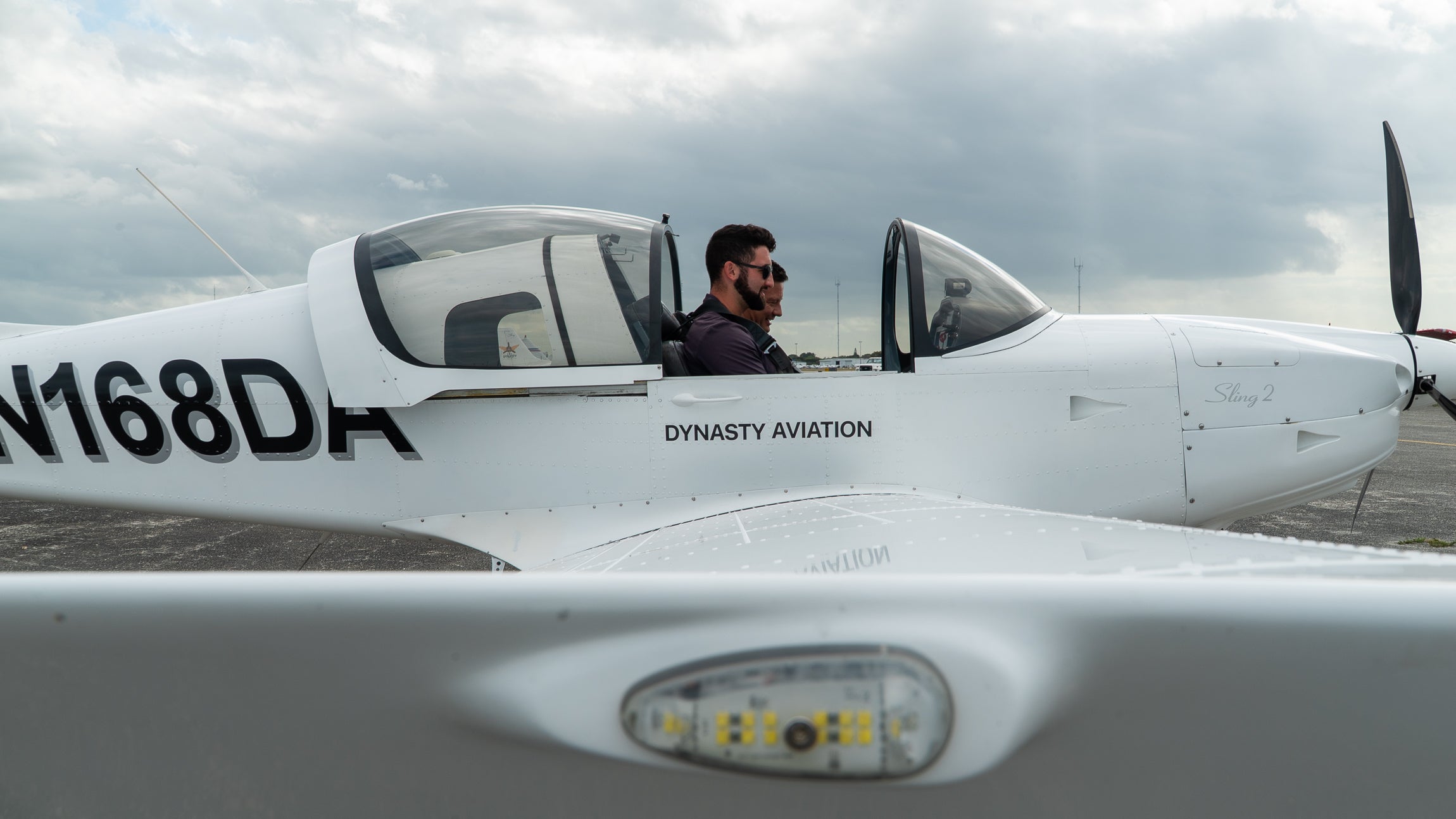
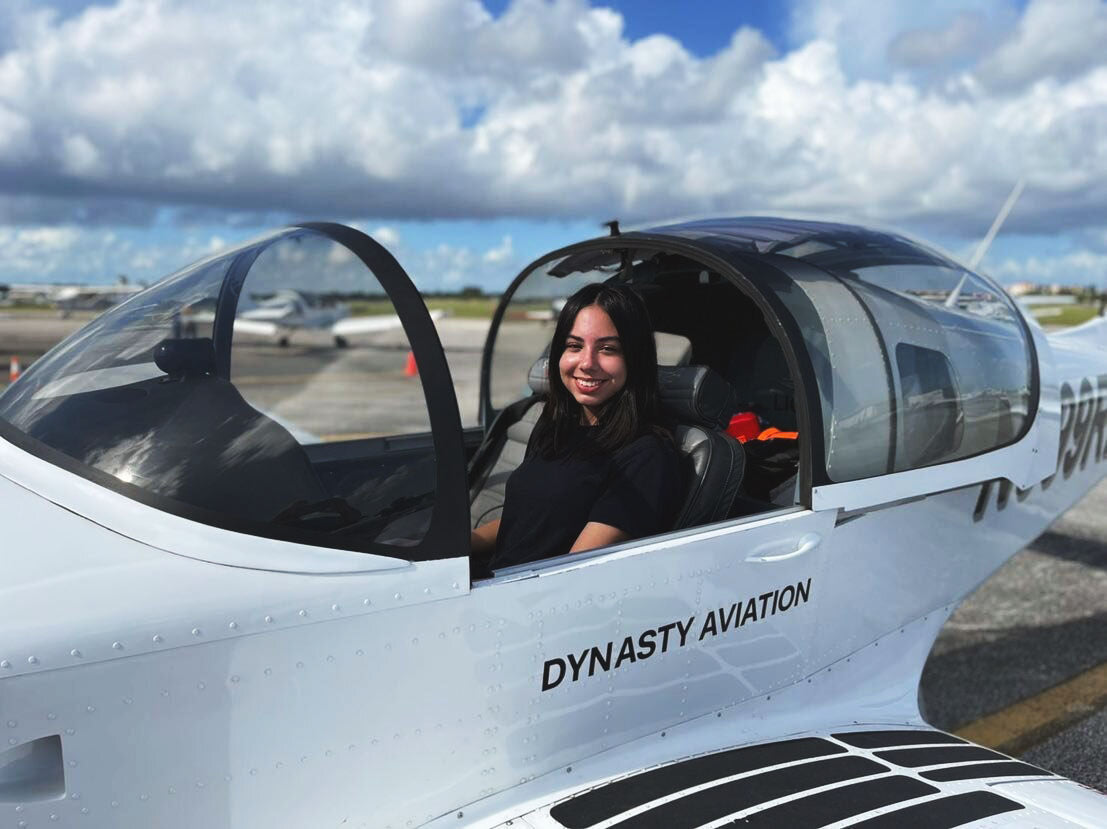
The Sling’s bubble canopy provides exceptional visibility in all phases of flight, especially in busy South Florida airspace. Combined with a modern panel and logical switch layout, students stay ahead of the aircraft instead of chasing information.

Clear sightlines and intuitive avionics reduce cognitive overload and build confidence early.

Responsive Handling, Instant Feedback

Light control forces, balanced control harmony, and predictable performance make the Sling ideal for mastering precise stick-and-rudder skills. Control feedback is immediate, which reinforces proper technique and consistent landings.

This responsiveness supports disciplined pilot development, not just hour accumulation.

Integrated Safety Systems

With advanced engine monitoring, traffic awareness, and digital systems management, the Sling provides constant feedback on aircraft performance. Students learn to interpret data, manage automation, and make informed decisions in real time.

This is structured, technology-forward training aligned with today’s aviation standards.

Sling 2 Light Sport Aircraft FAQ

Is the Sling 2 a good aircraft for new student pilots in South Florida?

Yes. The Sling 2 is exceptionally well suited for new student pilots. Its light, responsive handling makes control inputs clear and intuitive, while the modern glass cockpit simplifies flight and engine information. Students build strong fundamentals without fighting outdated systems, which is especially important when training in busy South Florida airspace.

How does the Sling 2 compare to a Cessna 172?

The Sling 2 offers a more modern cockpit environment than many legacy Cessna 172 trainers still in service. With integrated glass avionics, digital engine monitoring, and improved visibility through its bubble canopy, the Sling provides clearer situational awareness and more efficient workflow.

While the 172 remains common, the Sling reflects the direction modern training aircraft are moving.

What avionics and technology does the Sling use?

The Sling is equipped with a full Garmin glass cockpit featuring a Primary Flight Display (PFD), Multi-Function Display (MFD), integrated engine monitoring, GPS navigation, ADS-B traffic and weather capability, and autopilot integration. All critical flight, navigation, and performance data are displayed in a modern, unified interface similar to advanced IFR aircraft.

Students train on real-world systems from day one, developing proper instrument scanning, automation management, and digital cockpit workflow that translates directly into complex aircraft and career-track environments.

Is the Sling 2 safe for training in busy Fort Lauderdale and Miami airspace?

The Sling’s excellent visibility and integrated avionics make it well suited for high-volume South Florida operations. Students can clearly see surrounding traffic while using digital navigation tools to maintain awareness in Class D and nearby Class B airspace.

Modern systems paired with structured instruction create a disciplined and confidence-driven training environment.

Will training in the Sling prepare me for other aircraft?

Yes. The fundamentals learned in the Sling transfer directly to more advanced aircraft. Glass cockpit familiarity, disciplined checklist use, and structured scanning habits carry forward into instrument, commercial, and multi-engine training.

Students do not outgrow the platform. They build on it.

Can licensed pilots rent the Sling for proficiency or time building?

Qualified, approved pilots may use the Sling for proficiency flying, cross-country experience, or structured time building. The aircraft’s efficiency and modern avionics make it an attractive option for maintaining currency in South Florida airspace.

Can licensed pilots rent the Sling for proficiency or time building?

Qualified, approved pilots may use the Sling for proficiency flying, cross-country experience, or structured time building. The aircraft’s efficiency and modern avionics make it an attractive option for maintaining currency in South Florida airspace.

Why are more students choosing modern trainers like the Sling?

Modern trainers provide better situational awareness, cleaner cockpit workflow, and systems that align with current aviation standards. Students who train in updated aircraft build habits that transition naturally into advanced ratings and professional environments.

The Sling 2 represents that modern approach.

Is the Sling comfortable for longer training flights?

Yes. The aircraft’s ergonomic cockpit layout and wide canopy create an open, comfortable training environment. Students can focus on flying rather than feeling confined or overwhelmed by older cockpit designs.

More Than A Trainer. A Sling Shot to Success.

A bubble canopy, glass-cockpit avionics, and a premium interior combine to create an open, modern flying experience. The Sling is designed to feel intuitive, confidence-building, and purpose-built for today’s pilots.

Hoover Visits Dynasty to Fly the Sling 2

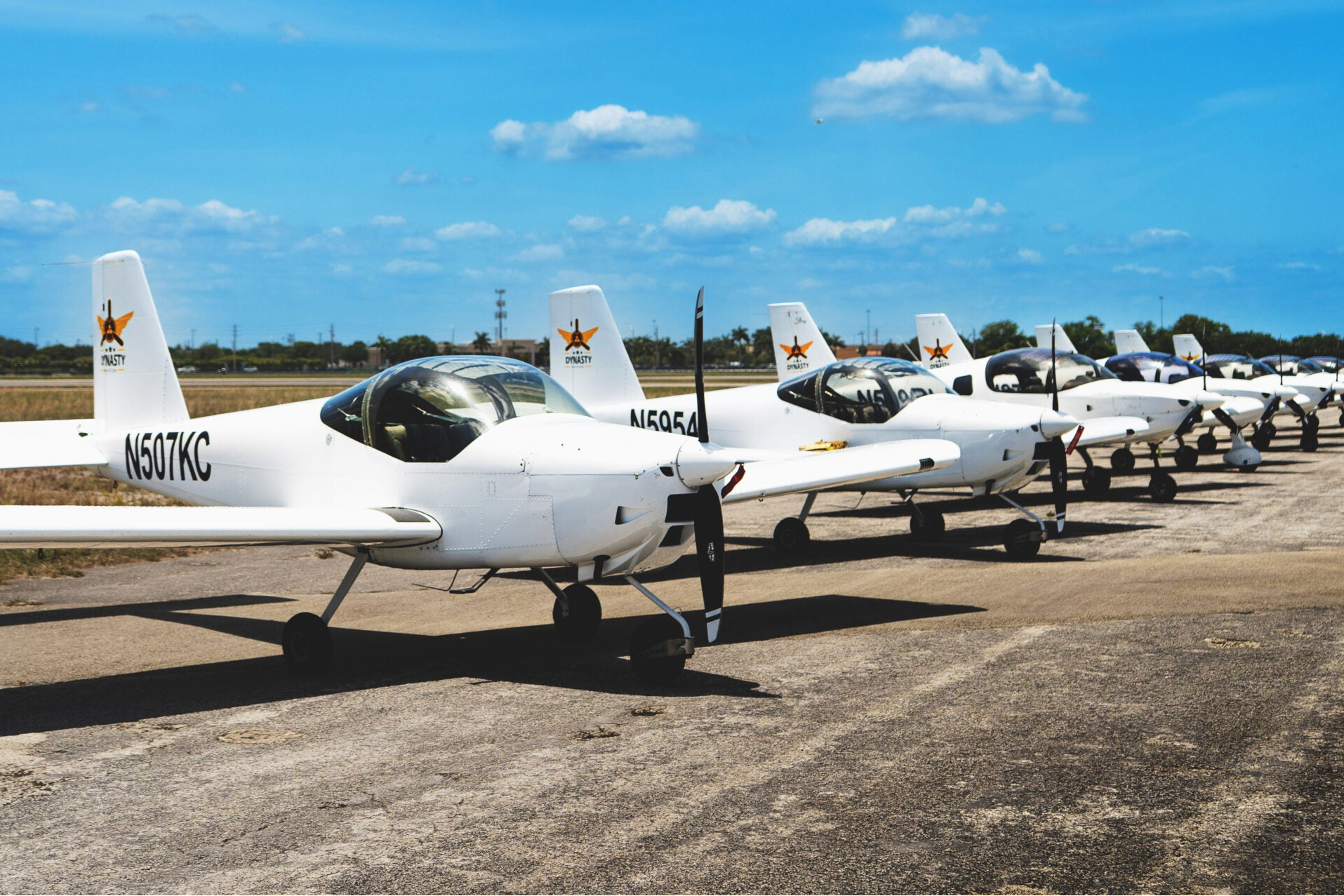
One of aviation’s most recognized voices in safety visited Dynasty Aviation to evaluate the Sling 2 and how it stacks up against the Cessna 172 for today’s student pilots. In this behind-the-scenes session, see how a current airline captain and former F-15 pilot assesses this modern training aircraft.

BOOK SLING FLIGHT