Twin Engine. Real Capability.
Glass cockpit systems. Retractable gear. Multi-engine performance built for serious progression.
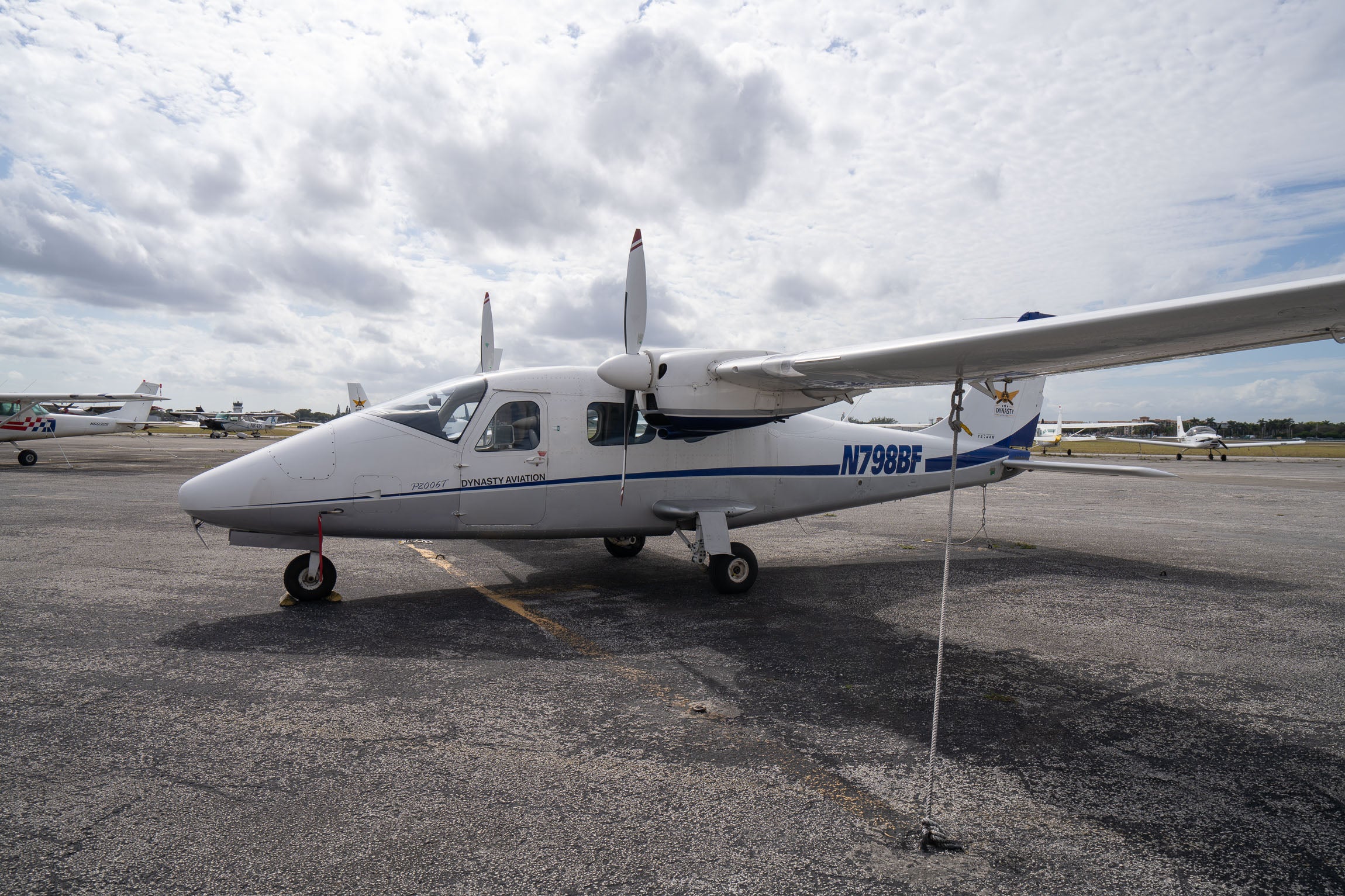

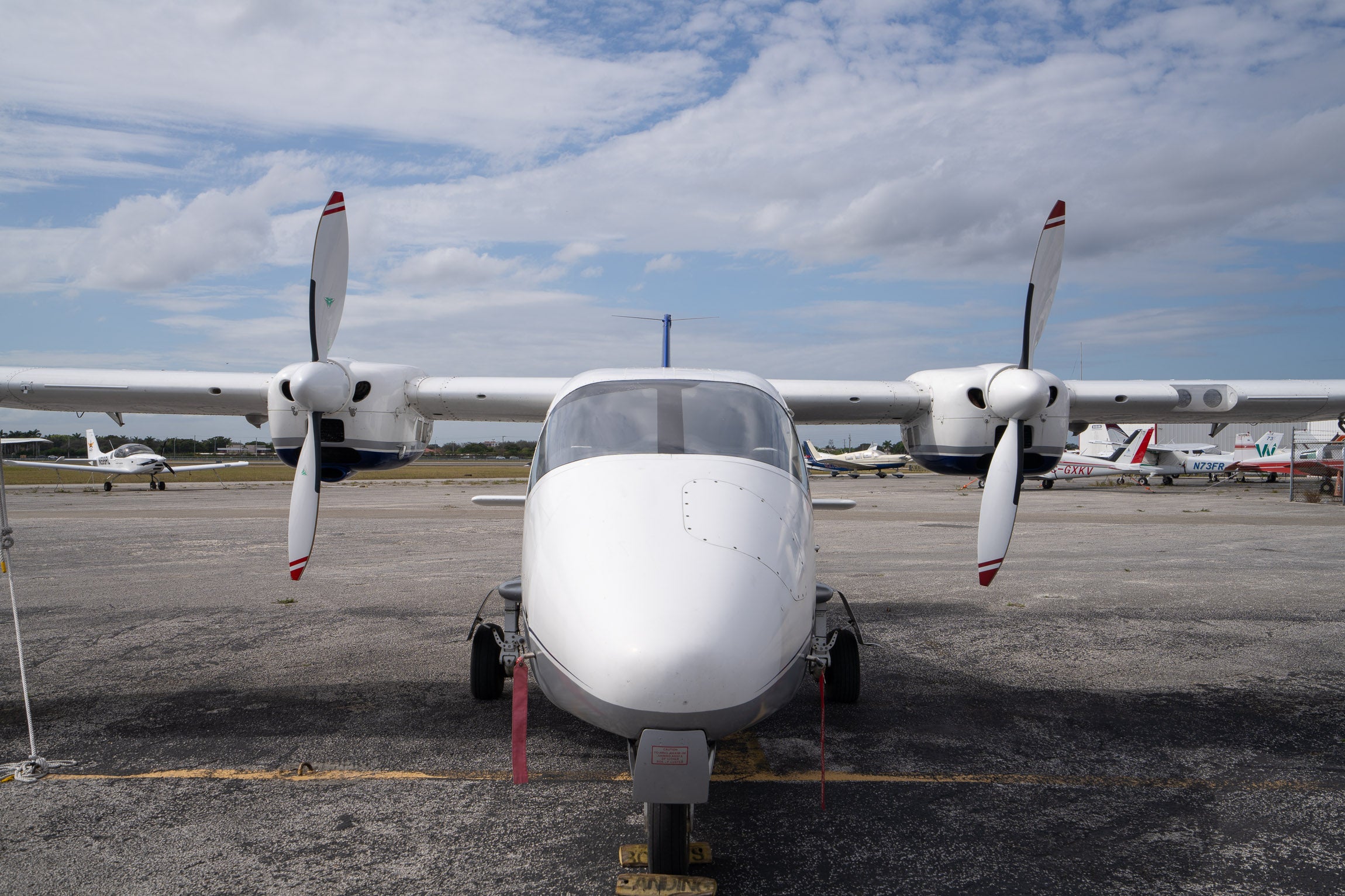
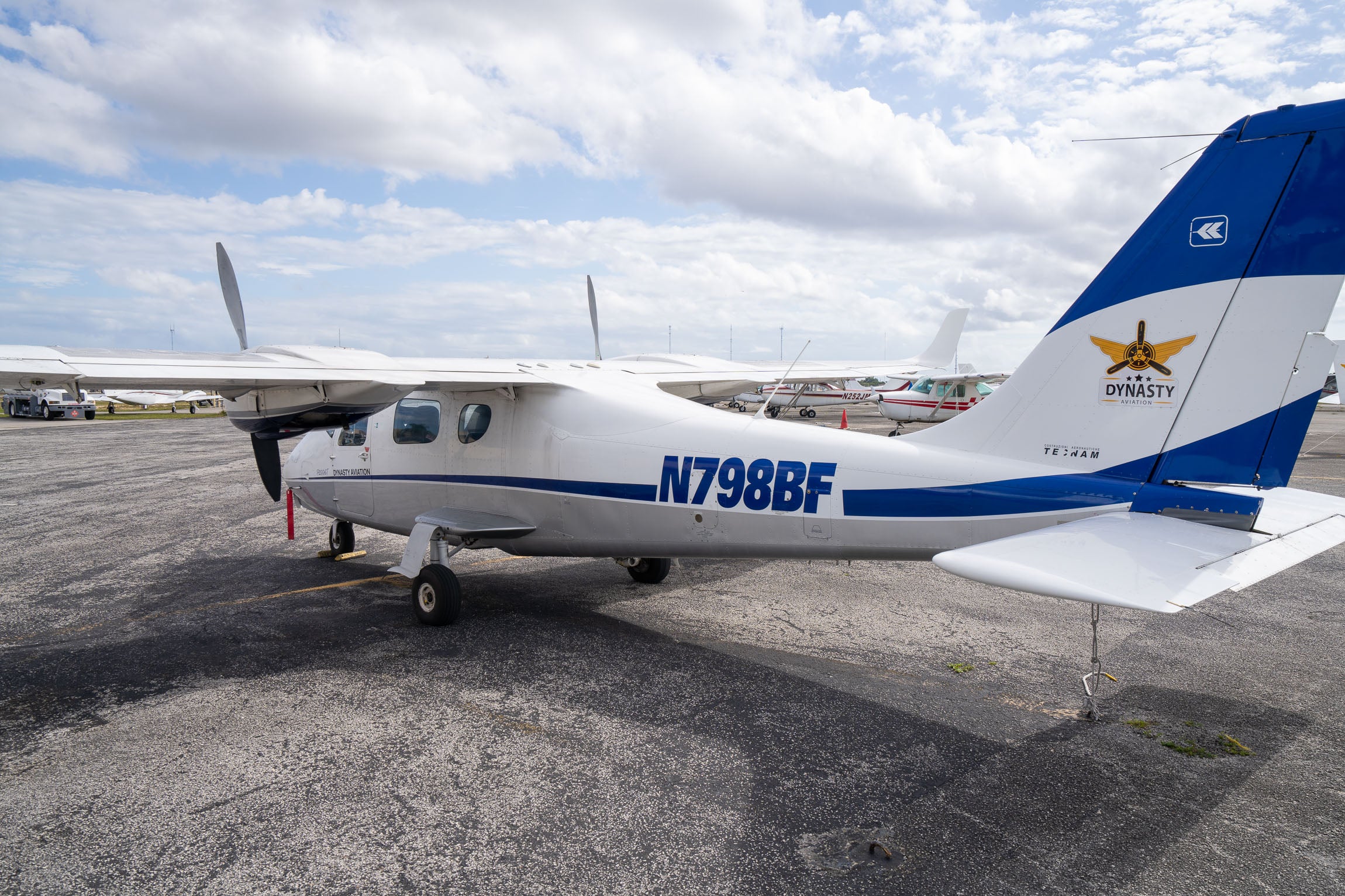
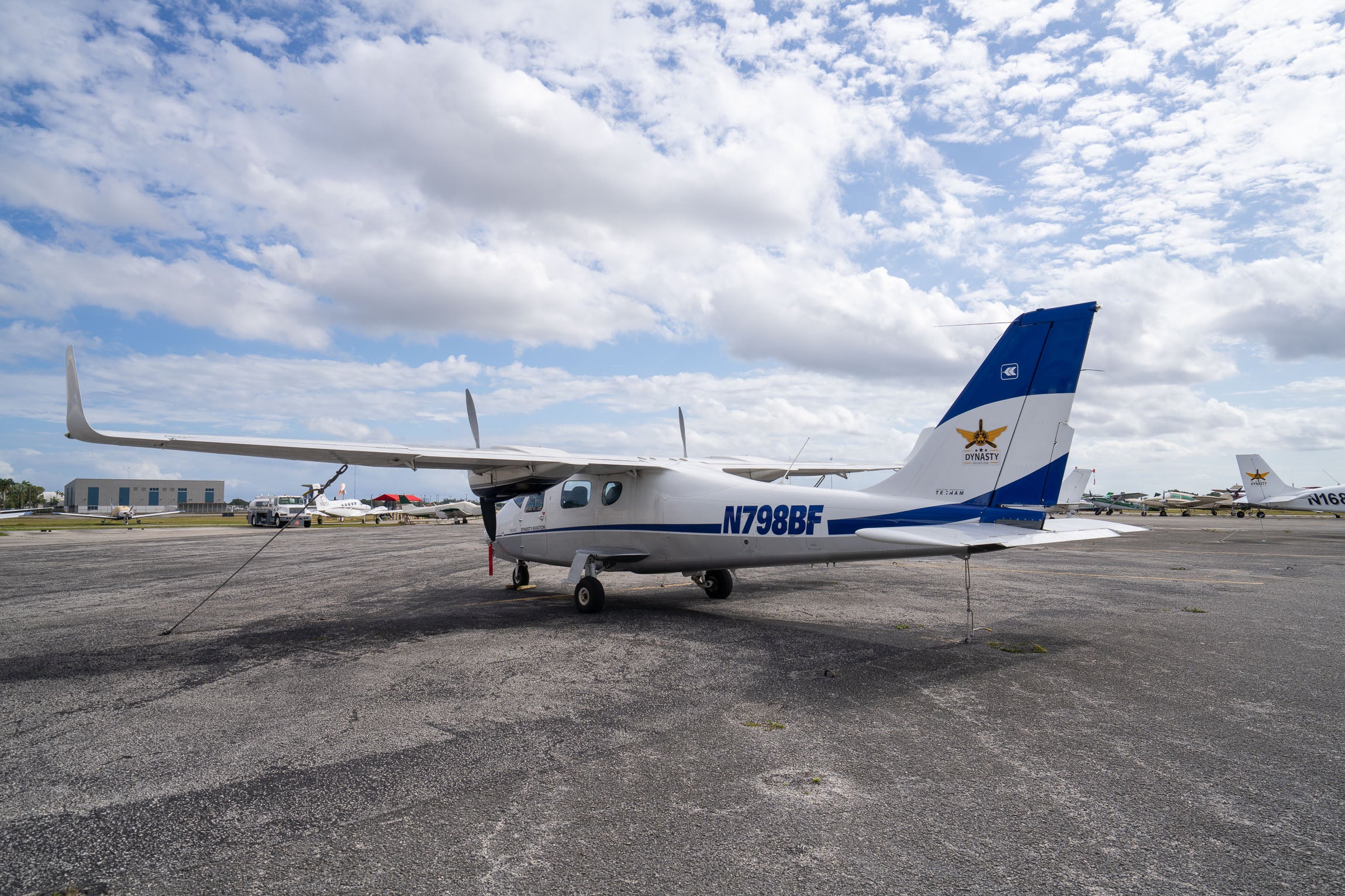
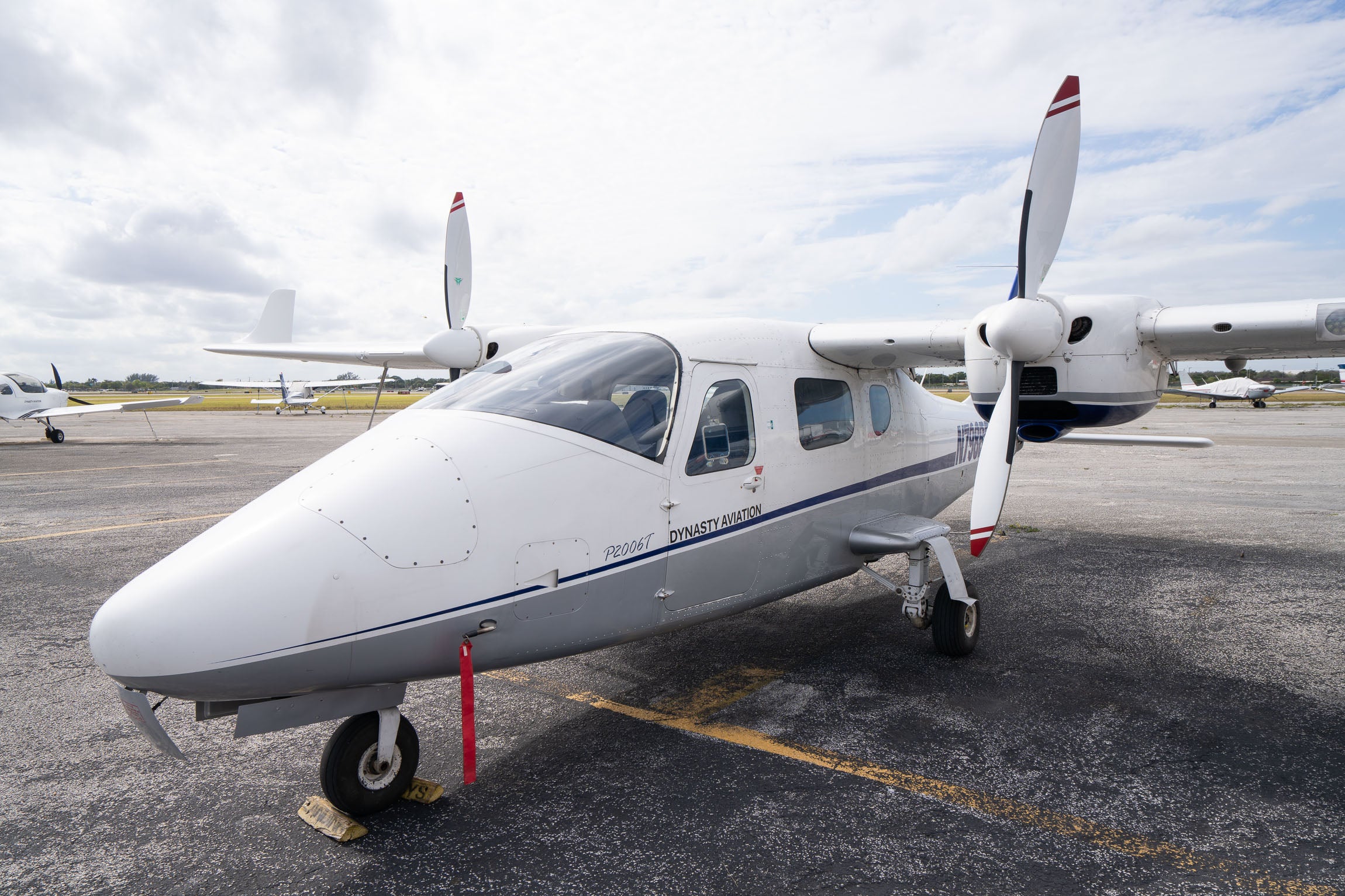
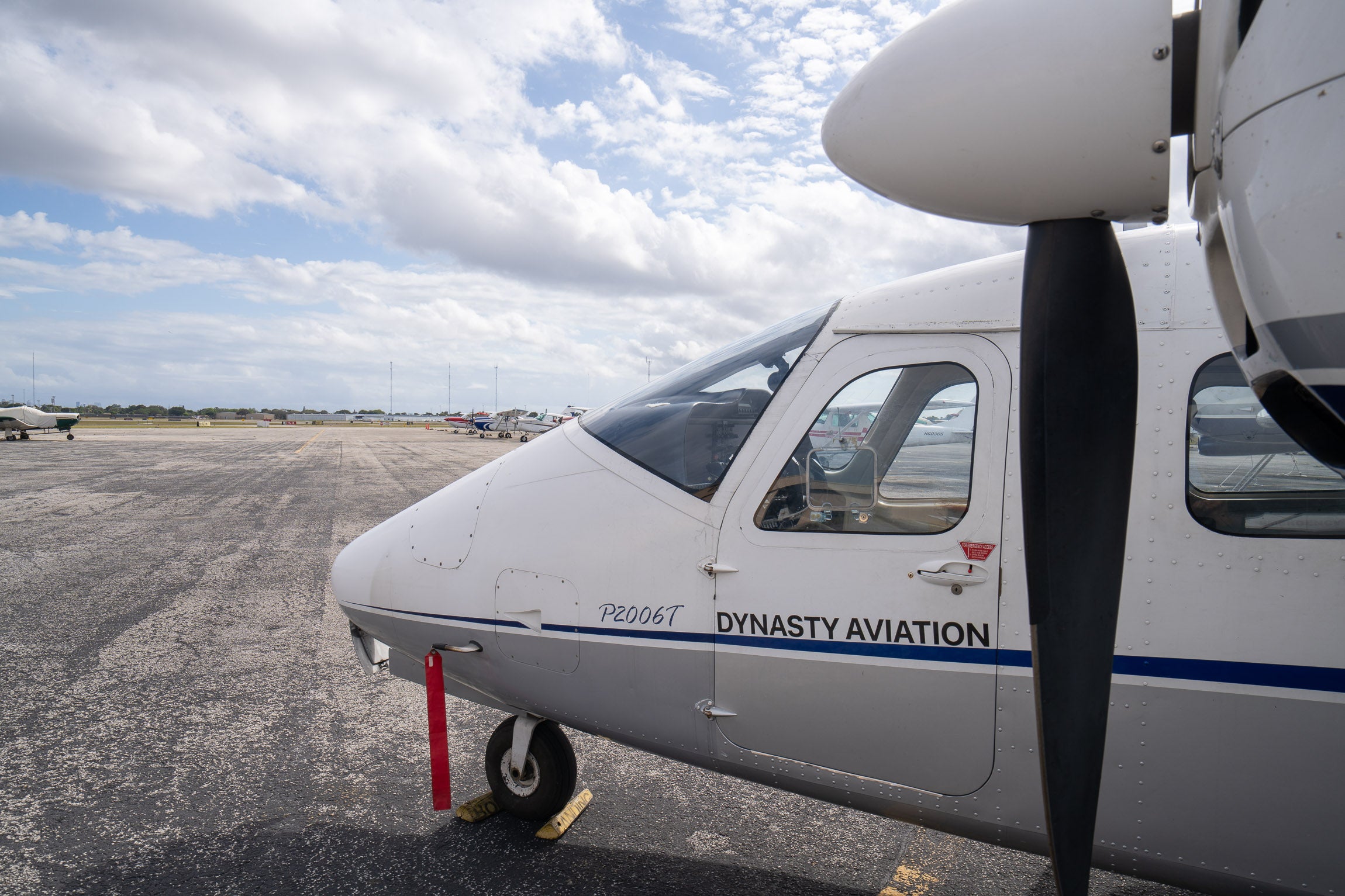
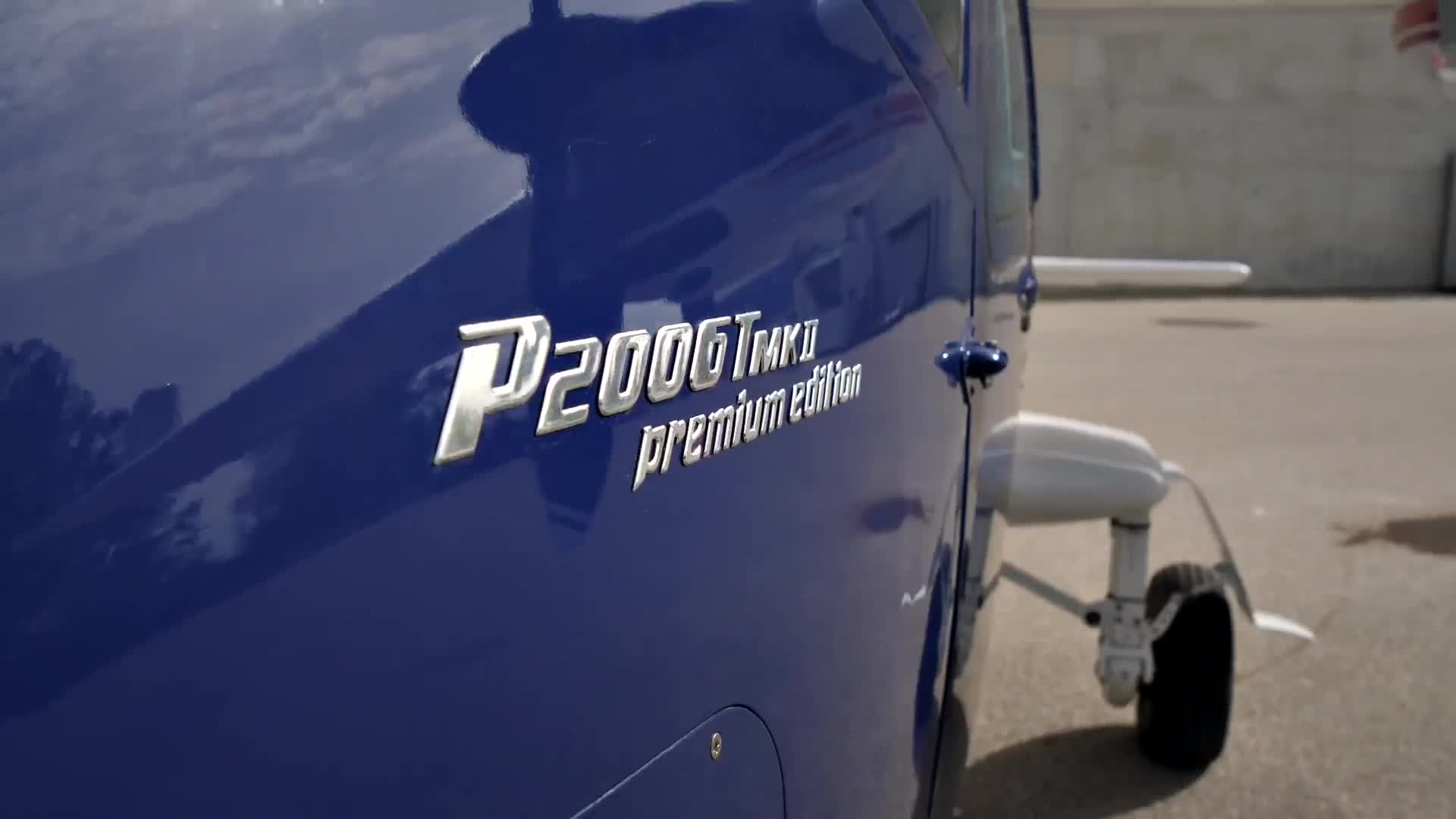
Tecnam P2006T
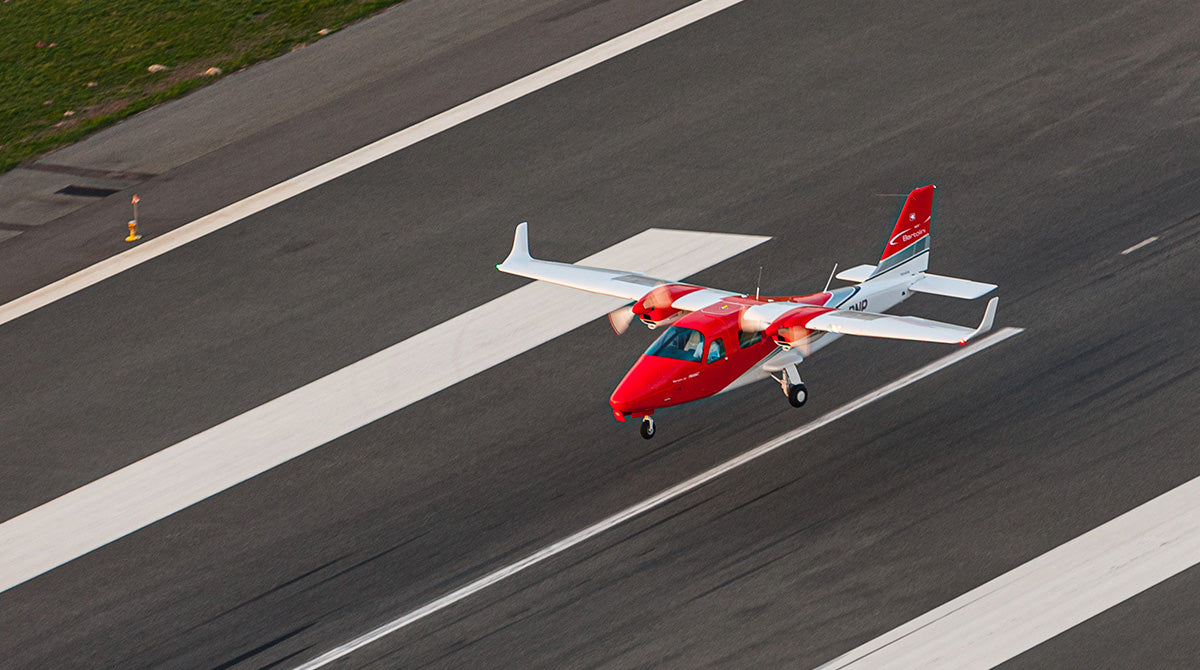
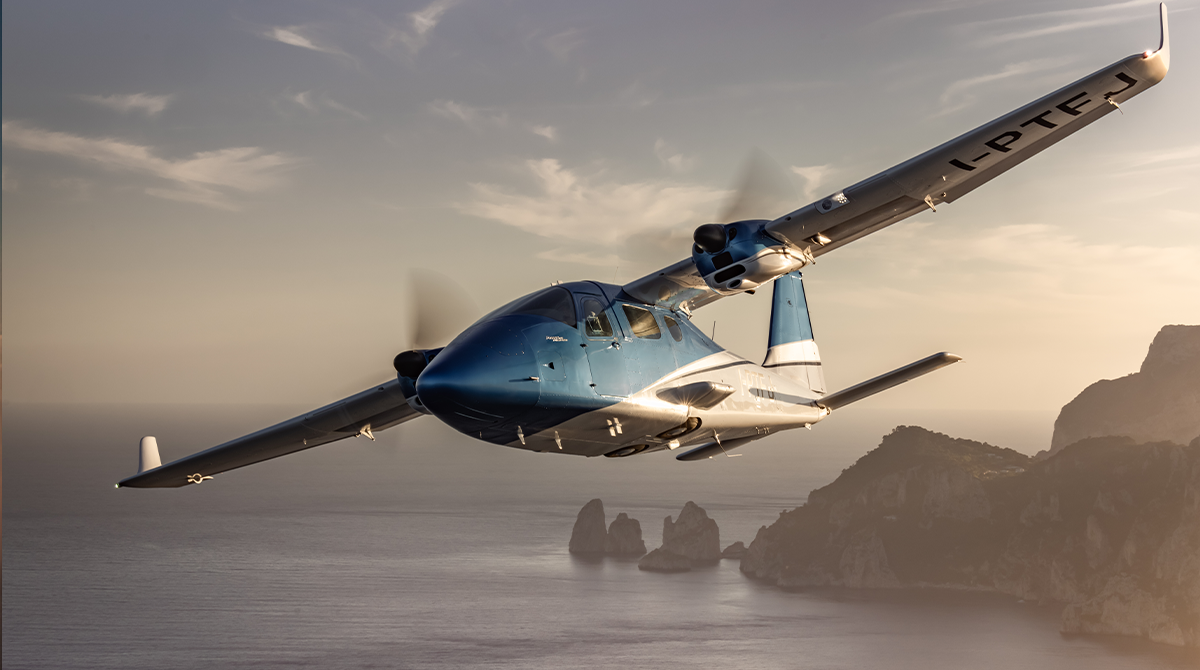
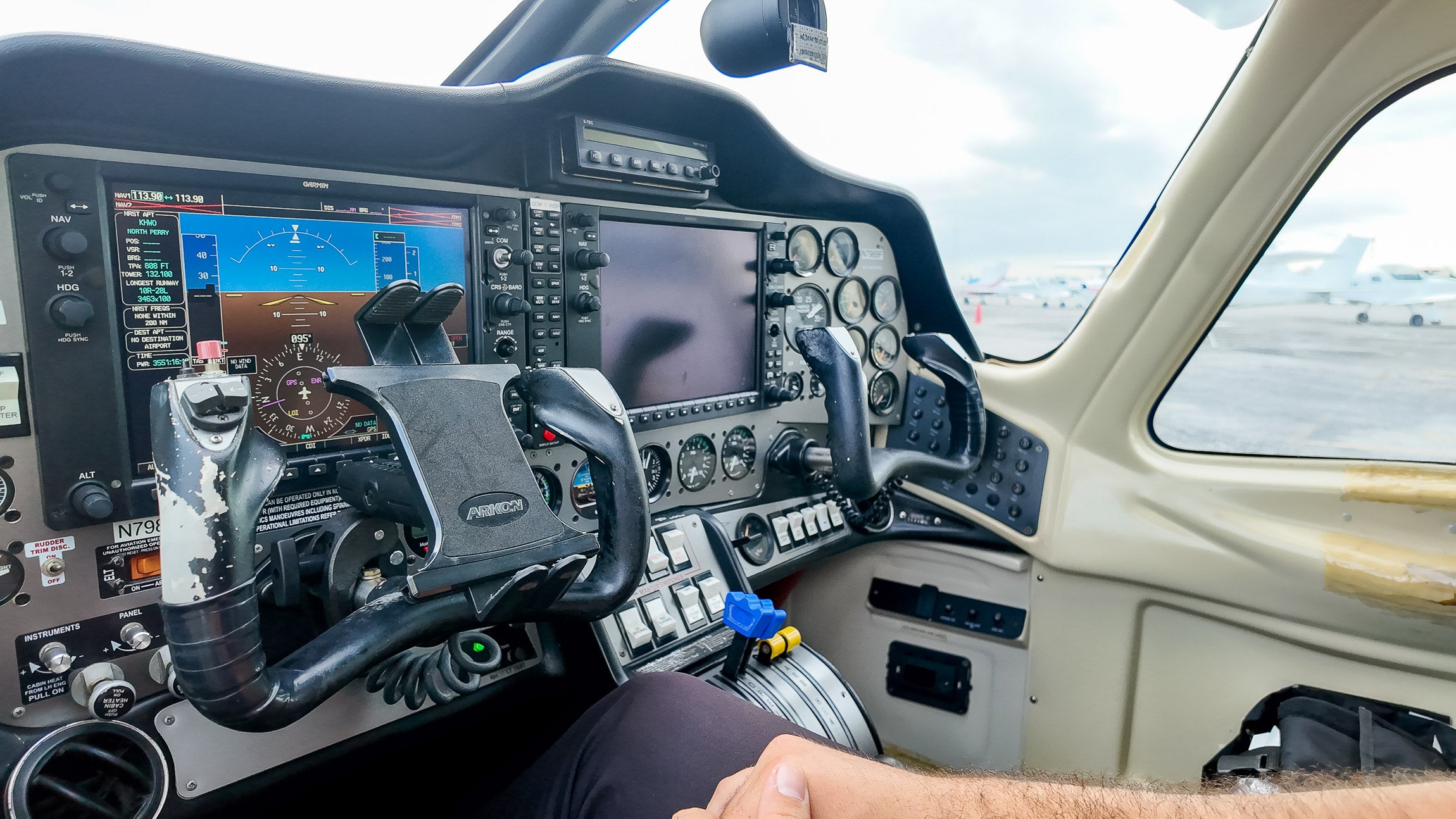
The Tecnam P2006T is a true multi-engine aircraft designed for serious training and advanced proficiency. It offers a composed, professional flight deck and the kind of systems awareness that prepares pilots for complex operations.
Flying the P2006T introduces pilots to multi-engine performance, coordination, and decision-making in a platform that feels deliberate and well balanced. The aircraft is stable, predictable, and engineered to reinforce disciplined procedures and workload management.
This is the aircraft where training becomes unmistakably professional, bridging the gap between light aircraft flying and advanced multi-engine operations.
In Fleet: 1
Aircraft Rate: $420 / hour
Instructor Rate: $70 / hour
Pairs well with
If you have any questions, you are always welcome to contact us. We'll get back to you as soon as possible, within 24 hours on weekdays.
-
Shipping Information
Use this text to answer questions in as much detail as possible for your customers.
-
Customer Support
Use this text to answer questions in as much detail as possible for your customers.
-
FAQ’s
Use this text to answer questions in as much detail as possible for your customers.
-
Contact Us
Use this text to answer questions in as much detail as possible for your customers.
Tecnam P2006T Highlights
Dual Rotax 912 S3 Engines
145 KTAS Cruise | 1100 NM Range
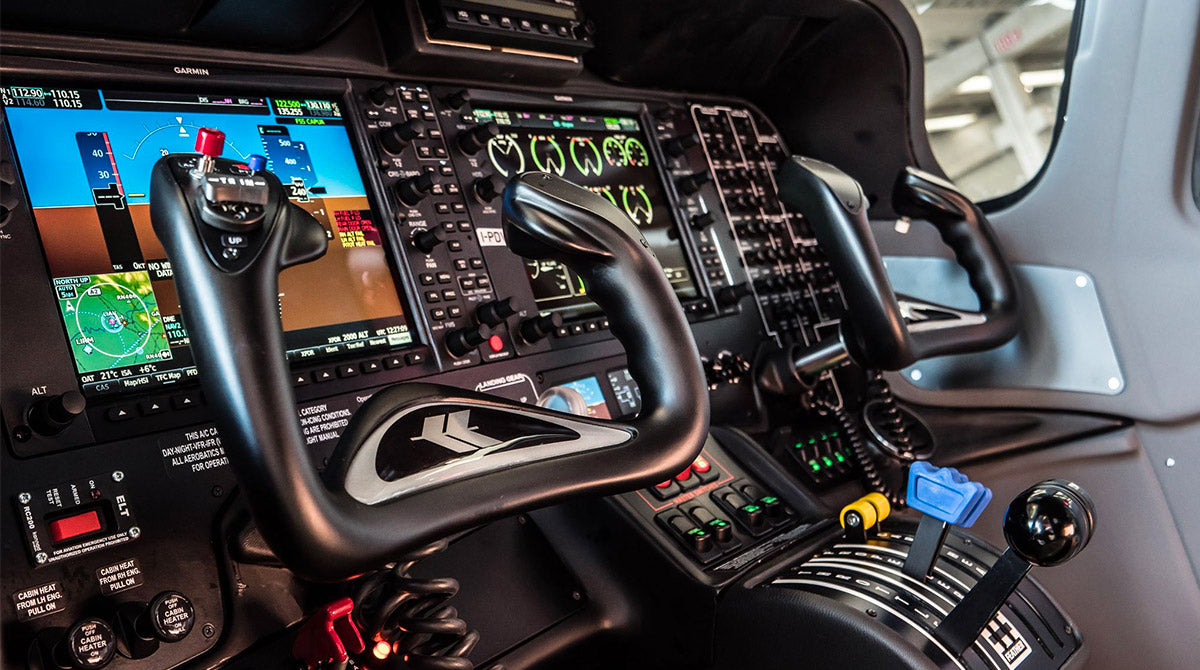
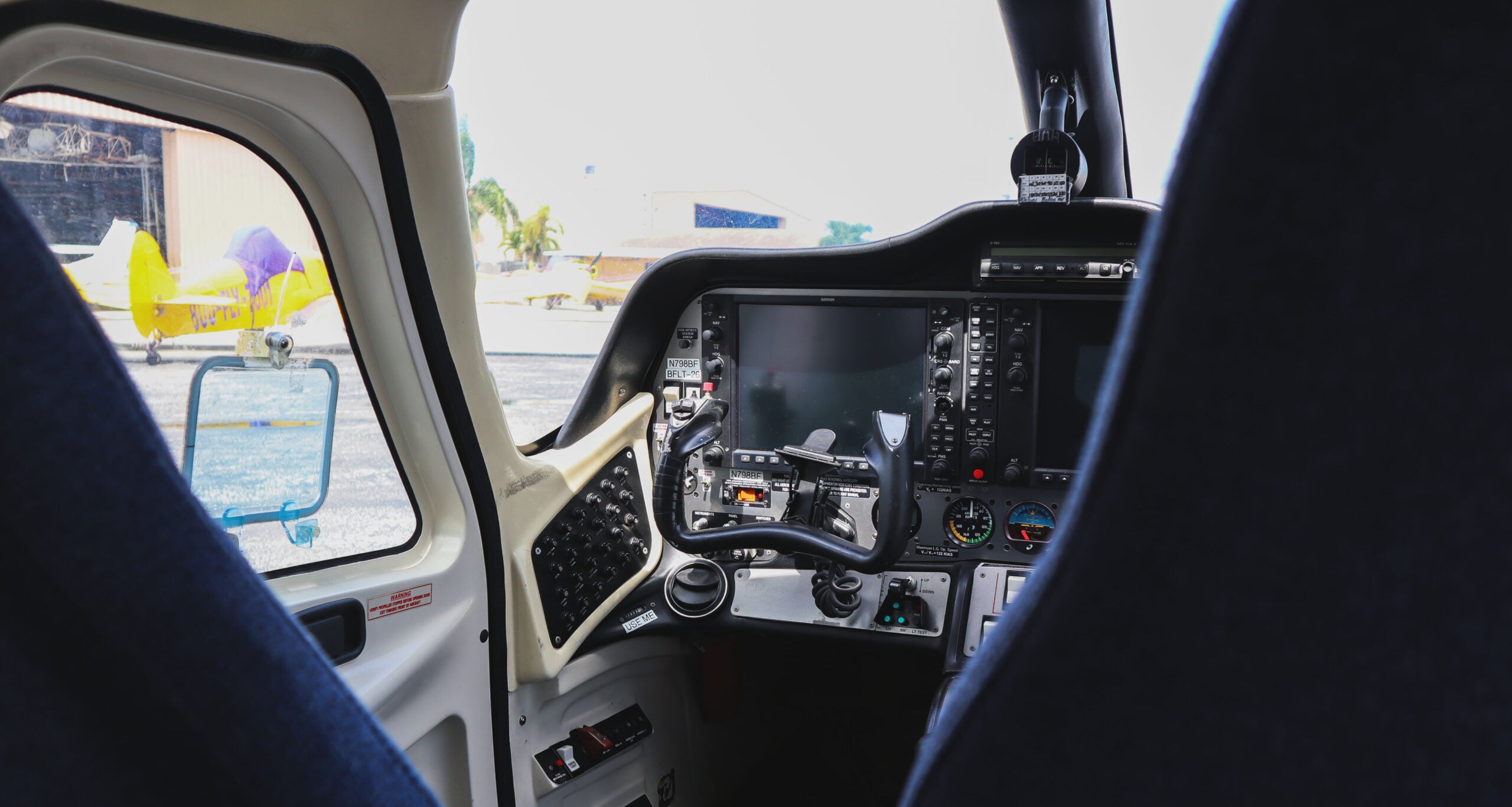
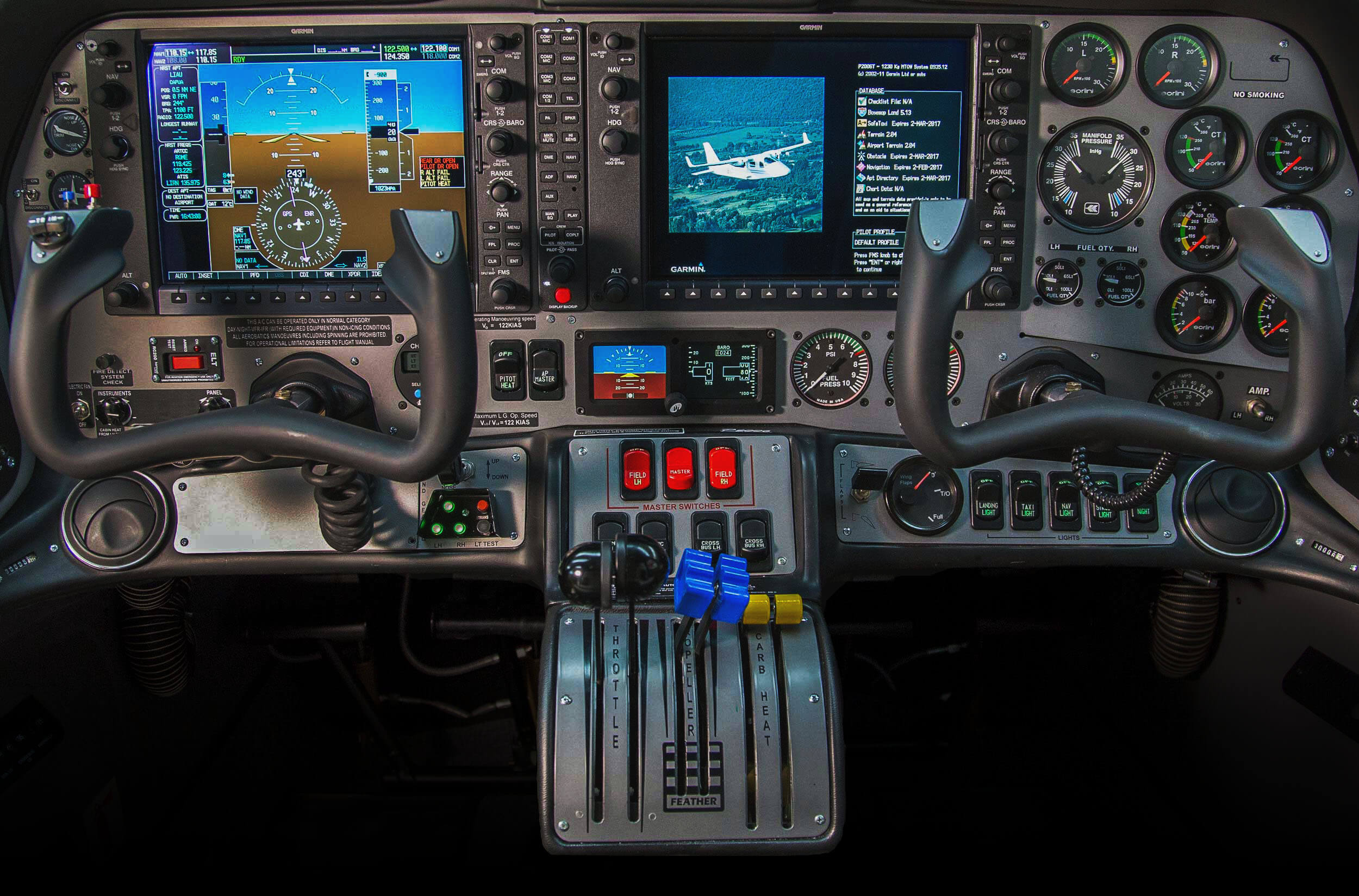
Dual Garmin G950 | Autopilot
Modern Glass, Complex Capability
Equipped with dual Garmin G950 screens and a two-axis autopilot, the P2006T delivers full IFR capability with integrated engine monitoring and flight guidance.
Students train in real automation management within a retractable-gear, twin-engine aircraft built for commercial progression.
Twin Performance That Demands Precision
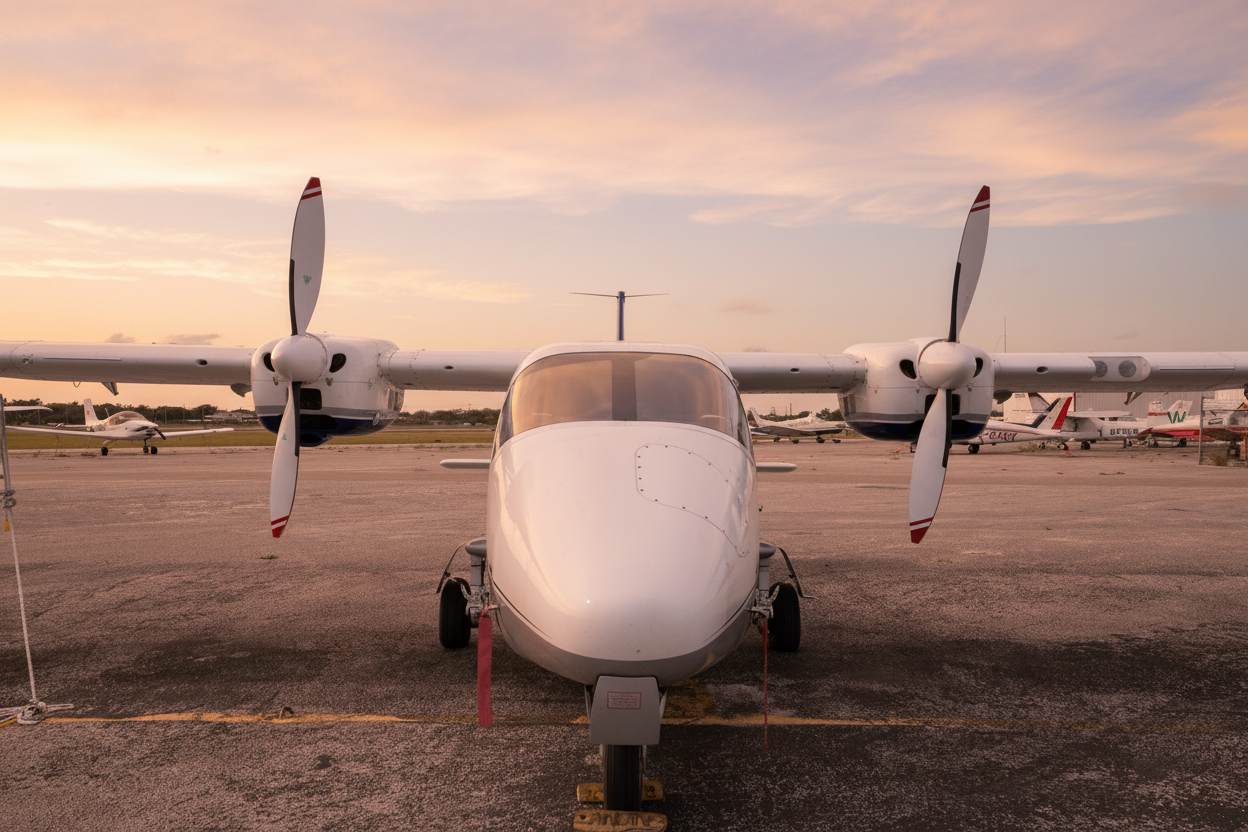
Multi-engine flight requires sharper control inputs and disciplined procedures. The P2006T’s responsive handling and defined engine-out characteristics make it an ideal platform for mastering asymmetric thrust, Vmc awareness, and advanced aerodynamics.
Students learn to anticipate, correct, and command the aircraft with confidence rather than react under pressure.
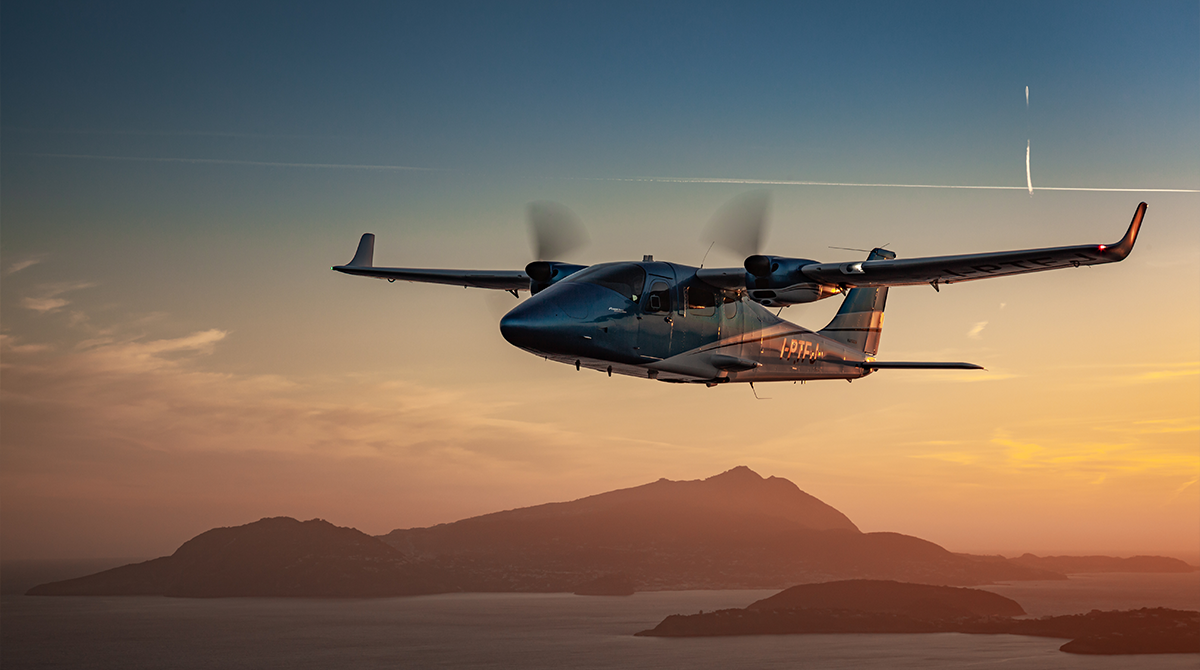
A Platform Built For Commercial Progression
The Tecnam P2006T bridges the gap between single-engine training and professional flight standards. It reinforces checklist discipline, cockpit resource management, and structured decision-making aligned with Commercial Multi-Engine and ATP pathways.
Time in the P2006T is not just multi-engine time. It is career-relevant experience that prepares pilots for higher-performance aircraft and airline environments.
Multi-Engine Systems That Build Professional Awareness
The Tecnam P2006T introduces pilots to true multi-engine operations in a modern glass-cockpit environment. Engine monitoring, fuel management, and IFR-capable avionics require disciplined systems management and real-time decision making.
Students move beyond basic aircraft control and begin thinking like commercial pilots, managing redundancy, performance, and workload in structured training scenarios.
Tecnam P2006T FAQ
Is the Tecnam P2006T IFR equipped?
Yes. The P2006T is fully IFR capable and equipped with modern glass cockpit avionics. This allows students to train in real instrument conditions and busy Class D and surrounding Class B airspace, increasing exposure to real-world ATC environments in South Florida.
Why train in the Tecnam P2006T instead of older twins like the Seminole?
The Tecnam P2006T offers modern glass avionics, advanced engine monitoring, and lower operating costs compared to many legacy multi-engine trainers. Students train in a cleaner, more contemporary cockpit environment that better reflects today’s commercial aircraft systems.
The aircraft’s predictable handling and defined engine-out characteristics make it an excellent platform for mastering asymmetric thrust, Vmc demonstrations, and multi-engine procedures safely and effectively.
Can I build additional multi-engine time after my rating?
Yes. Structured multi-engine time building options are available for pilots seeking to strengthen their logbook before airline interviews or ATP minimums. Availability and scheduling are designed to support efficient hour accumulation.
Is the Tecnam P2006T a glass cockpit aircraft?
Yes. The P2006T features a fully integrated glass cockpit, providing real-time engine data, navigation, IFR procedures, and system monitoring in a modern digital layout. This reduces workload confusion and helps pilots develop stronger situational awareness compared to older analog twins.
Is the Tecnam P2006T safer than older multi-engine trainers?
The aircraft incorporates modern monitoring systems, clear digital engine data, and strong visibility from the cockpit. Its predictable handling characteristics and structured systems layout enhance pilot awareness and reduce ambiguity during high-workload phases of flight.
How does the P2006T handle engine-out training?
The Tecnam P2006T has predictable engine-out characteristics and clearly defined Vmc behavior, making it an excellent aircraft for mastering asymmetric thrust procedures. Its lighter control feel and balanced design allow pilots to train precision inputs and multi-engine decision-making safely and effectively.
How fuel efficient is the Tecnam P2006T?
The P2006T is powered by twin Rotax engines, known for lower fuel burn compared to many traditional multi-engine trainers. This efficiency contributes to lower operating costs while still delivering true twin-engine experience and systems training.
What kind of performance can I expect from the P2006T?
The Tecnam P2006T delivers stable cruise performance, strong climb characteristics, and balanced multi-engine handling. It is designed for training precision rather than brute power, allowing pilots to develop refined technique and systems discipline.
A Twin That Raises The Standard.
The Tecnam P2006T delivers modern glass avionics, efficient twin performance, and real-world IFR capability in a refined training platform. Built for commercial progression, it prepares pilots to think, manage, and command at a higher level.